Experiences of a common man!

Category: Blogging Page 18 of 24

How Difficult Writing a Story Can Be!

It’s been almost six months since I have been working on a short story- “Leave Me Alone“. It is a psychological thriller, where a boy is attacked in his girlfriend’s house. I can’t believe it is taking such a long time to complete!

It’s not that I haven’t written the story. After hours of thinking, I began writing on January 1, 2016. At that time, it had begun with the first person experience of the girl while she finds herself unconscious on a cold night. Then the next chapter would be a continued by the experience of the boy (in first person narrative). I did not write further because I thought there was problem with the plot.

Some months later, I revised those chapters trying to see if I can continue the story. I got stuck again. Several problems arose. The characters were unnamed. They carried on the story with whatever they saw or knew. I got muddled up in my own story. Gosh!

Then again in May, before my exams, I decided to bring up a little twist. I thought of the names of the main characters and separated each of their statements (diary entries, police statements and court statements) in five different chapters. The story seemed complete for the first time. Problem was- nobody spoke, not even once, the title phrase. According to my planning, it would have to be spoken. I don’t know how I missed it!

I started typing that version out. I had already thought of the places I needed to modify. But did not continue because of my exams. And then when I looked at it about three weeks later, I thought, ‘Why not change everything- the beginning, the ending and the PoV?’

So this final draft (until now- I am still modifying things here and there) has a third person limited point of view (PoV, if you had been confused by the abbreviation earlier). Each character got their names (Hurray!) and one of them is going to shout out, “Leave Me Alone”. Finally, I can see it reaching the finishing line. But this particular story has been like a hurdle race to me. The beginning of every chapter is like a hurdle. When I pass one, I can gain speed but another hurdle threatens to break my pace immediately. I guess I only have to jump over the last hurdle now. Once it’s done, I can run fast and end the race.

When it’s done, I would love to share my happiness with you as well.

Have you ever written anything which might have taken you longer than you had initially thought? How often do you modify your work? Would you like to share your experiences? Comment on the box below. Thank you!

Fan Pressure?

Who do authors, singers and actors crave for? Fans, obviously. It is good for them to have a good number of people following them and their works. Is it always good, though?

Even if celebrities want to keep their lives secret, their fans want to know each and every aspect of their lives. This gives rise to (most of the times) nonsense gossips and “entertainment news”. We know many celebrated people, especially actors, being the victims of the paparazzi. I am not talking about actors and musicians, though. I am talking about authors. That’s because, not until recently, I have realized that author can succumb to fan pressure.

Authors want their books, and their stories to be read. They also want to huge number of faithful fans who read their stories, appreciate them and correct their mistakes, if the authors have made any. They would like to please their fans most of the times. The editors and publishers, too would want to publish their works quickly as possible. They think of caching in the popularity of authors at the moment so that sales increase. Writers complete their work. Publishers publish them. Readers read them. Errors- linguistic and technical seem to have increased. The authors have given what the fans wanted but they are not satisfied. Why?

Let’s look at a few real life examples, shall we?
The first in my list is Amish Tripathi. It was a post on his Facebook page that inspired me to write this article. I don’t remember what the post was, though I think it was about Lord Ram. His most recent novel, The Scion of Ikshvaku is the first in the Ramchandra series published last year. The first thing my mind said was, “When is the next book in the series coming up?” I went in to look at the comments and saw that some of his fans had already posted the thing that was in my mind. I paused for a while, scrolled up and down for a few seconds, and I realized, “We fans can be so impatient.” It has not been even a year since the first book’s publication and we are already demanding the sequel. I restrained from making a comment and moved out of the page.
I also remember reading the same author’s biography on Wikipedia. He had published his first two books of the Shiva Trilogy just within eleven months. The second book feels a little weaker than the first one. But because it was a trilogy, one could expect answers in the last book. Imagine the pressure he might have had in completing the series. He could just satisfy the readers and escape the questions related to the narrative. The last book is much bulkier- almost the size of the first two books together. Yet, it felt incomplete to me. Maybe because Shiva is not the hero he should have been. (See, I am creating a sort of fan pressure.)
So he came with the Ramchandra series. And in creating a perfect hero in Ram, Tripathi made him too idealist and one-dimensional. That’s what people are saying in the Goodreads, too.

Subin Bhattarai comes in next. It is hard to believe that a Nepali writer came with a Bhagatesque idea of young romance and gained a massive popularity among the youths. Summer Love (English name for a Nepali novel!) gave its writer a taste of success. Readers, especially teenagers, loved the narrative of a love-struck boy. But just as people are getting bored of Chetan Bhagat(who inspires the term Bhagatesque) , people got bored of his second novel. Saya (sounds Hindi) the second novel and a supposed series speaks with an altered narrative. Readers knew what would happen. So they just did not want the girl’s perspective on the story. And Bhattarai did not make it much convincing. Maybe some fan of his had asked for a story based on the girl’s perspective, he had written the second book, or maybe his initial success on a similar story might have inspired him but he could not impress his fans. Most of those who had not read Summer Love liked Saya, however. So if he can come up with a different content or a different taste, he still has the potential to become a good writer. (Plus, he has a good publishing team and that can be helpful to him.)

Some authors are lucky, however. The last author in this article is JK Rowling. When she published ‘Harry Potter and the Philosopher’s Stone’, she had never thought of the popularity it would gain. Yet her target group were children and all her mistakes were forgiven. She had a huge loyal fan base that helped her out. There are now so many information now available on Pottermore that were unanswered during the seven books of the series. I was not convinced. That’s why I have never visited Pottermore.

What shall I conclude that the end of this blog? I believe we all need faithful supporters, who can help us out when we are in trouble. But we should also be careful not to give in to the interest of the crowd. It’s your creation after all.

Translation Fun: What is Diuri in English?

One question bothered me recently: What do we call diuri in English?

When we want some words, phrases and sentences translated, Google Translate is a useful tool. I had discovered its virtues while I was learning French last year and had tried to understand some German sentences a little earlier. It had helped me clear some doubts on the initial stages of French-studies.

In Nepal, we often use a diuri to prepare tea, to boil water milk, pulse, and so on. A diuri is a utensil with its height little less than its diameter and a single handle. I was writing a story in English, and it was essential to include the utensil in the plot. So, I went to the Google Translate website and typed in the Nepali name. I was shocked by the translation.

It said wetted. And I knew it was wrong. No utensil could have been named wetted in English. So, I left the website and googled the names of utensils used for cooking. I redirected myself to Wikipedia. The list of utensils was surprising; and I went through the list and found two possible solutions. I had to confirm them.

Before I had entered Wikipedia, I had tweeted the question. Because my Tweets are linked to my Facebook, I expected to get answers on Facebook as well. I did get the answer from Suraj Nepal, who was a batch senior in my school. His answer confirmed what I had guessed.

Diuri (рджрд┐рдЙрд░реА) in English is called saucepan.

It’s not that the utensil cannot be used to prepare sauce and pickles but if you have to prepare tea, what word for the utensil would be the most suitable? A tea-pot!

[P.S.: I have joined the Google Translate Community and I’m contributing the words I can translate. It’s fun and challenging at the same time.
But I am still wondering if there is just a single word in English for “diuri”.
Also, this post has not been sponsored either by Google Translate or any cookware company.]

Trying to understand GPA (. . . Scratching my head. Awww!)

We (my parents, my sister and I) grew up with the Percentage Marking System. Whatever we obtained in exams was directly converted into percentages. For example, I would get 80% if I obtained 640 out of 800. We were happy. We were satisfied. This year, however, we were introduced to a new species of marking system- the GPA (Grade Point Average).

image
Source: http://media.carbonated.tv

We did not know what it exactly was. During more than ten months of advertisements about the GPA, neither the government bodies said what it exactly was, nor did the journalists ask anything. (I doubt on question-asking abilities of Nepalese news journalists because of many other cases.)┬а We obviously asked questions to ourselves but did not know who to consult with.

The Government published following details about the GPA and corresponding Letter Grades.

GPA      :   Letter Grades
4.0-3.6:    A+
3.6-3.2:    A
3.2-2.8:    B+
2.8-2.4:    B
2.4-2.0:    C+
2.0-1.6:    C
1.6-1.2:    D+
1.2-0.8:    D
0.0-0.8:    E

One thing they did not make clear was GPA can’t give actual percentage of which we are more familiar.

If someone obtains 4.0 GPA, it does not mean that they obtained 100%. According to what I have understood until now, it means that the student has obtained “A+” in all the subjects. As “A+” ranges from 90-100, it may actually denote any number between 90 and 100; the students can not know it, however.

What our simple minds understood was that 100 marks were compressed into 4 Grade Points.

We used simple unitary method then.
If 4 points are equivalent to 100%,
    1 point is equivalent to 25%
And then we multiplied the obtained GPA with 25 to obtain percentage based on the GPA.
For example: 3.65 GPA was multiplied by 25 to obtain 91.25%.

Turns out this is technically wrong in the GPA system. Because GPAs are not true representatives of the actual marks obtained.

Suppose, you obtained 73 out of hundred (73%) in Mathematics. If you go by the simple unitary method, 73% will be equal to 2.92 Actual Grade Points. However, the under the GPA system, the obtained marks is in the range between 70 and 80 and Grade Points will be assigned accordingly. (B+ or 2.8 on the SLC of 2072 B.S.). This is the how I have understood. (Correct me, please if I have mistaken.)

That being said, can anyone who has obtained less than 4.0 GPA obtain greater percentage than the one who obtained 4.0 GPA.
Let’s see a hypothetical example.

Two students A and B obtained following marks in eight subjects.
A: 98, 91, 99, 95, 92, 91, 94, 92
B: 99, 88, 100, 96, 97, 98, 96, 99

From what we have understood in this article, A has obtained 4.0 Grade Points in each subject. The The actual percentage, however is not 100, but 94.
Let’s observe B’s marks now. B has obtained 4.0 Grade Points in all subjects except one, which has to be 3.6. The GPA is 3.95. It is less than A’s. But calculate B’s percentage. It is 96.625. B has lower GPA although B’s actual percentage is higher.

Let’s come back to reality now. We do not know actual percentages. We just know GPAs. While we are naive enough to believe that A is the highest scorer because of better GPA than B, it might actually be an injustice to B.

Our media is more whimsical than analytical. I have already seen a news on Annapurna Post that a girl is a topper because she has obtained 4.0 GPA. (Her parents and school have claimed it. And we have seen already that they could be wrong.) While I still wish that she be the topper, one cannot be sure unless the actual marks and percentages are known.

That’s it for now. Yet, I am still scratching my head. I am not yet sure this is the correct explanation. Will you help me if I am wrong? . . . Please?

Congratulations Girl, You Have Broken The Iron Gate!

Dear Ankita,

Congratulations! You have broken the “Iron Gate” has been weakened over the recent years. This year, they almost melted it and by next year, the gate will be on a new location. Well, that means you might have to break it again. But don’t let that worry you. Because that gate won’t be of iron, it will be of gold. Harder to break, of course.

image

There are only who friends who can always help you- hard work and sincerity. You need to keep them with you. Never let them fly away. Never leave them. When they are together, the world will be with you. All your weaknesses will turn into strengths. You’ll be a good human being.

Numbers are important to get you up to the greater levels. But they are not what you will be known for. You’ll be known for what you really are. Three hours of examinations worth hundred points are not the measures of your real capabilities. Your capacities are determined by the examinations of your behaviours as a human being, your moralities and the way you can inspire others.

Life’s nothing but struggle. You can never turn away from it. Face it with smiles. You will get what you want. You’ll be able to break all the gates you face, whether it be of gold, platinum or diamond.

Your brother,
Ankit

[Note to the readers who may not understand the “Iron Gate” metaphor:
The School Leaving Certificate Exams (aka SLC) at the end of Grade 10 was termed the Iron Gate. Maybe for the hype it gained, maybe for the opportunities it opened. The introduction of GPA (Grade Point Average) lowered the pressure of SLC. And from the next year, Grade 10 students will not give the SLC exams, ending 82 years old examination system.]

Looking at the Negative Side of Things

Nothing in this world is perfect, including us. If we were perfect, we did would be so. Sometimes, I doubt even in the perfection of God. That story will be shared soon. However, this story is on the imperfection of humans, their creations and creativity.

I was brought into the reality of imperfection by an e-mail. Well, it was a regular notifying mail from Quora, a fantastic site where you can ask, pass and answer questions. That day, the question I was notified of was, “What do you think are the weakest points of the Harry Potter series?” (Something like that. I don’t exactly remember.)

I ignored at first. Though I believed that the Harry Potter series could have flaws, I thought knowing the weaknesses would just take the fun away. But there is another thing that makes one┬а do something, even when you do not want it to push you. Yeah, I am talking about curiosity. Curiosity made me dive into the ocean of imperfection.

From the connection between the Muggles and the Magical Worlds to the mathematical mistakes, from absurd Quidditch scoring to clumsy and witches and wizards all were included in the flaws of the series. One answer even pointed out that the horcruxes which become the central theme, aren’t introduced until the sixth book. “Looks like the series evolved on the go,” some had said.

By the end of that session on flaws of the Harry Potter series, I didn’t find myself being drained out of fun. Instead, I was looking at the negative side of the world’s best selling series and was saying to myself, “If I ever write a fantasy fiction, I will be careful not to make mistakes Rowling made.”

What more, I surfed the web searching the real negative criticisms on the Harry Potter series. Not only that, I came to know that even Tolkien was criticized for the Lord of the Rings. The last in the list of criticism was Amish Tripathi, whose Shiva Trilogy I had recently read.

I have also been reading negative book reviews on Goodreads recently (as eagerly as the positive ones). I have learnt that nothing is 100% perfect. That there is still some flaw even in the best of things humans do. So, why do I need to worry if I make some mistake? A mistake can be an opportunity for correction. A chance to make things better. (Even if not absolutely perfect.)

I have also understood that in life, perfection is not achievable but passion is. The passionate artists I mentioned above are the role models of those who want to do something new. They are the epitome of success. But they are also humans and they also make mistakes. Embrace their imperfections. It will make you happy. And next time you read anything or do anything, look at their negative sides. Next time you rate something (a book, a movie, music, an app, or anything), do not rate them to perfection. (Also, never rate them below average. There could be some positive in the worst work you believe. The creator might be discouraged by low ratings because it is their work that allows you to rate them.) You might have overlooked the flaws and the creator may not get an opportunity to improve.

Monthly Feature: Maleficent- Really?

I talk about the art, music and movies that I have adored in the Monthly Feature. For the month of June, I present my views on a movie quite differently than I have done before.

What’s true love? Disney Animations and Pictures seem to change the notion that true love is always a romantic orientation. That’s what we saw in Brave, Frozen and Maleficent.

Maleficent: Meaning
The Dictionary.com defines maleficent as “doing evil or harm”. The dark fairy from Disney’s Sleeping Beauty (1959) is named and meant so. She is the villain who curses the beautiful princess Aurora to an infinite sleep only to be broken by “a true love’s kiss”.

Maleficent Revived

The same Maleficent was revived in the 2014 Disney live action movie of the same name. I had watched both the versions in the same year, unintentionally and I had felt that 1959 movie was more about the villainous Maleficent than the heroine Aurora. Yet, the movie seemed incomplete. I had not been able to understand why the fairy had to be angry at all.

Linda Wolverton, the script writer of the 2014 movie seemed to have noticed the same. So she added a back story where Maleficent’s wings are cut stolen by Stefan to gain powers for himself. The story adds details to why the fairy was angry with King Stefan.

The Villain

The king had stolen her wings- her pride and her fun. She even rescued a raven and named him Diaval. “You will become my wings,” she says something like that. She, however goes to the name-giving ceremony of the king’s daughter and curses that the girl would fall asleep on her sixteenth birthday after being pricked by the spindle of a spinning wheel. The curse could be broken only by a true love’s kiss. (She gives the condition of the breaking of the curse believing that true love does not exist.)

Wait! What was the little girl’s mistake? I don’t understand why Maleficent curses the little girl. Maybe she had psychological problems. (We do not know!) She has magical powers and all. She could have defeated Stefan then and there. Yet she chooses to curse the daughter. Maybe they wanted to show her association with the Princess who slept, which we see later. Maybe she did not like that particular child, we do not understand why. Thereby, Maleficent makes herself a villain.

But the land Stefan ruled must have suffered a lot. All the spinning wheels are thrown, dumped or burnt. Imagine the amount of clothes they could have produced in sixteen years. Forget Aurora and through the curse, Maleficent handicaps their economy.

Villain- Is She Yet?
To prevent the curse, the king sends his daughter with three pixies without even testing their competence. (What kind of father is he?) The dark fairy learns from Diaval that the little girl is not being taken care of. For her interest of bringing the curse true, she takes care of the child. But she also loves the child as her own as time passes.

Maleficent, when she understands that she loves the child, tries to break the curse. But she herself had told that it was unbreakable. Aurora, the Princess sleeps. The fairy brings up a Prince and tells him to kiss the girl. But it goes in vain. How could an attraction of some moments be true love? She knows she made a mistake. She asks for forgiveness and kissing her goddaughter’s forehead. Turns out Maleficent’s motherly love was true even if she had a selfish interest in the beginning.

So, is she yet a villain? Maybe Disney Pictures still say she is. Maybe Wolverton still believes in the villainous Maleficent. But the truth is that at the end of the movie, she does not remain a villain anymore. She has been transformed by the love she developed for Aurora. And she even regrets from having cursed her as a child.

That was the best thing about the movie for me. The transformation was the only reason I was able to forgive her act of cursing a child. Her name might suggest that she is still malicious. But she is not one dimensional word whose meaning cannot be changed. Maleficent is a fairy, cheated by a human. If her anger is justified, why not the change she undergoes? Wolverton still calling Maleficent a villain after a change of heart does not give her any justice.

BREAKING NEWS!

Blogger’s World formed as a collective effort of bloggers who had joined Blogging101 last August. It is now nominated for Annual Blogger Bash Awards. ЁЯЩВ

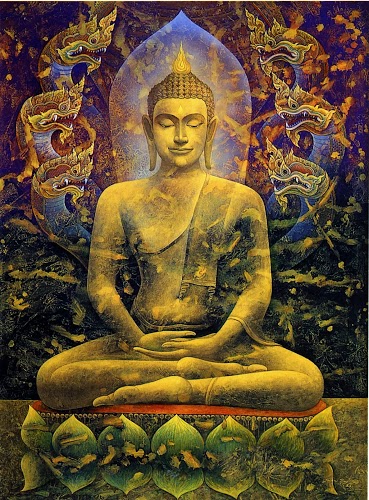
рдЧреМрддрдо рдмреБрджреНрдз: рдЬрдиреНрдо, рдХрд░реНрдо рд░ рд╣рд╛рдореНрд░реЛ рдзрд░реНрдо

рд╕рд┐рджреНрдзрд╛рд░реНрде рдЧреМрддрдордХреЛ рдЬрдиреНрдордХрд╛ рд╕рдореНрдмрдиреНрдзрдорд╛
рдХрд░рд┐рдм реиремрекреж рд╡рд░реНрд╖ рдЕрдШрд┐ рдмреИрд╢рд╛рдЦ рдкреВрд░реНрдгрд┐рдорд╛рдХреЛ рд░рд╛рддрдорд╛ рдпрд╕ рдзрд░реНрддрд┐рдорд╛ рдЕрд╡рддрд░рдг рд▓рд┐рдПрдХрд╛ рдерд┐рдП рд╕рд┐рджреНрдзрд╛рд░реНрде рдЧреМрддрдорд▓реЗ рд░рд╛рдиреА рдорд╛рдпрд╛рджреЗрд╡реАрдХреЛ рдХреЛрдЦрдмрд╛рдЯ-┬ард▓реБрдореНрдмрд┐рдиреАрдорд╛ ред рд╡рд┐рднрд┐рдиреНрди рдХрд╛рд▓рдЦрдгреНрдбрдорд╛ рддреНрдпреЛ рдкрд╡рд┐рддреНрд░ рднреВрдорд┐ рд╡рд┐рднрд┐рдиреНрди рджреЗрд╢рднрд┐рддреНрд░ рдкрд░реНтАНрдпреЛ ред рд╡рд░реНрддрдорд╛рдирдорд╛ рддреНрдпреЛ рдХреНрд╖реЗрддреНрд░ рдиреЗрдкрд╛рд▓рдХреЛ рд╕рд┐рдорд╛рдирд╛рднрд┐рддреНрд░ рдкрд░реНрджрдЫ ред рд▓реБрдореНрдмрд┐рдиреА рд╕рдВрд░рдХреНрд╖рдгрдХреЛ рджрд╛рдпрд┐рддреНрд╡ рдЕрд╣рд┐рд▓реЗ рдиреЗрдкрд╛рд▓реАрдХреЛ рдХрд╛рдзрдорд╛ рдЫ ред рддрд░ рддреНрдпрд╕рдХреЛ рдЕрд░реНрде рдмреБрджреНрдз ‘рдиреЗрдкрд╛рд▓реА’ рдерд┐рдП рднрдиреНрдиреЗ рд╣реЛрдЗрди ред рдмреБрджреНрдзрд▓рд╛рдИ рдХреБрдиреИ рдПрдЙрдЯрд╛ рджреЗрд╢рдХреЛ рдирд╛рдЧрд░рд┐рдХ рдмрдирд╛рдЙрди рдЗрддрд┐рд╣рд╛рд╕ рд░ рдиреИрддрд┐рдХрддрд╛ рджреБрд╡реИрд▓реЗ рджрд┐рдБрджреИрдирдиреН[рез] ред

image

рдпреЛ рд╡рд┐рдЬреНрдЮрд╛рди рдкреНрд░рд╡рд┐рдзрд┐рдХреЛ рдпреБрдЧ рд╣реЛ ред рдпрд╕ рдпреБрдЧрдорд╛ рд╣рд░реЗрдХ рд╡рд┐рд╖рдпрдорд╛ рддрдереНрдп рдХреЗрд▓рд╛рдЗрдиреНрдЫ ред рдмреБрджреНрдзрдХрд╛рд▓рд┐рди рдХрд▓рд╛, рд╕рдВрд╕реНрдХреГрддрд┐, рд▓реЗрдЦреЛрдЯрдХрд╛ рдЖрдзрд╛рд░рдорд╛ рд▓реБрдореНрдмрд┐рдиреА рдиреИ рд╕рд┐рджреНрдзрд░реНрде рдЧреМрддрдордХреЛ рдЬрдиреНрдордерд▓реЛ рдерд┐рдпреЛ рднрдиреНрдиреЗ рдкреНрд░рдорд╛рдгрд┐рдд рднрдЗрд╕рдХреЗрдХреЛ рдЫ ред рдЙрдирдХреЛ рдпрд╛рддреНрд░рд╛рдХреЛ рдмрд╛рдЯреЛ рдкрдирд┐ рдкрд╣рд┐рд▓реНрдпрд╛рдЗ рд╕рдХреЗрдХрд╛ рдЫрдиреН рдЗрддрд┐рд╣рд╛рд╕рдХрд╛рд░рд╣рд░реВрд▓реЗ ред рдЙрдирдХреЛ рдЬрдиреНрдордорд┐рддрд┐рдорд╛ рднрдиреЗ рдПрдХрдордд рдЫреИрди ред рдЦреЛрдЬ рдЧрд░реНрдиреИ рдкрд░реНрдиреЗ рд╡рд┐рд╖рдп рдЬрдиреНрдордорд┐рддрд┐ рд╣реЛ, рдЬрдиреНрдорд╕реНрдерд▓ рд╣реЛрдЗрди ред

рдмреБрджреНрдзрдХреЛ рдЬрдиреНрдордерд▓реЛрдХреЛ рд╡рд┐рдХрд╛рд╕рдХреЛ “рдЧреБрд░реБ рдпреЛрдЬрдирд╛” реирео рд╡рд░реНрд╖рдЕрдШрд┐ рдмрдиреЗрдХреЛ рд░рд╣реЗрдЫ ред рдЖрдЬрдХреЛ рдорд┐рддрд┐рд╕рдореНрдо рдпреЛрдЬрдирд╛рд▓реЗ рдкреВрд░реНрдгрддрд╛ рдкрд╛рдПрдХреЛ рдЫреИрди ред рдХреЗрд╣реА рд╕рдВрд░рдЪрдирд╛ рдмрдиреЗрдХрд╛ рдЫрдиреН рддрд░ рддреА рдкрд░реНрдпрд╛рдкреНрдд рдЫреИрдирдиреН ред рдмреМрджреНрдзрд╣рд░реВрдХреЛ рдЪрд╛рд░ рдзрд╛рдордордзреНрдпреЗ рдкреНрд░рдореБрдЦ рд▓реБрдореНрдмрд┐рдиреАрдХреЛ рд╡рд┐рдХрд╛рд╕рдорд╛ рдХрд┐рди рдврд┐рд▓рд╛рдЗ ? реиреп рд╡рд░реНрд╖рдХреЛ рдЙрдореЗрд░рдорд╛ рдд рд╕рд┐рджреНрдзрд╛рд░реНрдерд▓реЗ рд░рд╛рдЬрдкрд╛рдЯ рддреНрдпрд╛рдЧрд┐ рд╕рдХреЗрдХрд╛ рдерд┐рдП, рд╕рдореНрдпрдХ рдЬреНрдЮрд╛рдирдХреЛ рдЦреЛрдЬреА рдЧрд░реНрди ред рд╣рд╛рдореА рдмреБрджреНрдз рднреВрдорд┐рдХрд╛ рд╕рдВрд░рдХреНрд╖рдХрд╣рд░реВ рдХрд┐рди рдЖрдлреНрдирд╛ рд╡реНрдпрдХреНрддрд┐рдЧрдд рд╕реНрд╡рд╛рд░реНрде рддреНрдпрд╛рдЧреНрди рд╕рдХреНрджреИрдиреМрдБ ? рдЙрдирд▓реЗ рдмрд╛рдЯреЛ рджреЗрдЦрд╛рдЗ рджрд┐рдПрдХреИ рдерд┐рдП рдд ред

рд╕рд┐рджреНрдзрд╛рд░реНрде рд░ рдмреБрджреНрдзрдХрд╛ рдХрд░реНрдордХрд╛ рд╕рдореНрдмрдиреНрдзрдорд╛

рд╕рд┐рджреНрдзрд╛рд░реНрдердХреЛ рдмрд╛рд▓реНрдпрдХрд╛рд▓ рд╕реБрдЦрд╕рдпрд▓рдорд╛ рдмрд┐рддреЗрдХреЛ рдерд┐рдпреЛ ред рд░рд╛рдЬрд╛ (рдЧрдгрдирд╛рдпрдХ?) рд╕реБрджреНрдзреЛрдзрдирд▓реЗ рд╡рд╛рддрд╛рдиреБрдХреБрд▓рд┐рдд рддреАрдирд╡рдЯрд╛ рдорд╣рд▓ рдмрдирд╛рдЗрджрд┐рдПрдХрд╛ рдерд┐рдП рднрдирд┐рдиреНрдЫ ред рдпрджреНрдпрдкрд┐ рднреМрддрд┐рдХ рд╕реБрдЦрд▓реЗ рдЙрдирд▓рд╛рдИ рдЫреБрди рд╕рдХреЗрди ред рдореИрд▓реЗ рд╕рд╛рдиреЛ рдЫрдБрджрд╛ рдПрдЙрдЯрд╛ рдХрдерд╛ рдкрдвреЗрдХреЛ рдерд┐рдПрдБ, рдЬреБрди рдпрд╕реНрддреЛ рдЫ-

рд╣рд░реЗрдХ рд╡рд░реНрд╖ рд░реЛрдкрд╛рдЗрдБ рд╕реБрд░реБ рдЧрд░реНрдирд╛рдХрд╛ рдЦрд╛рддрд┐рд░ рд╣рд▓реЛ рдЪрд▓рд╛рдЙрди рдХрд┐рд╕рд╛рдирдХрд╛ рдЦреЗрддрдорд╛ рдЬрд╛рдиреНрдереЗ ред рдЙрдирд▓реЗреЗ рдЫ рд╡рд░реНрд╖рдХрд╛ рд╕рд┐рджреНрдзрд╛рд░реНрдерд▓рд╛рдИ рд╕рд╛рде рд▓рдЧреЗрдХрд╛ рдерд┐рдП ред рд░реЛрдкрд╛рдЗрдБрдХреЛ рддрд╛рдордЭрд╛рдо рдЫреЛрдбреЗрд░ рд╕рд┐рджреНрдзрд╛рд░реНрде рдЪрд╛рд╣рд┐рдБ рдПрдХреНрд▓реИ рдмрд╕рд┐рд░рд╣реЗрдХрд╛ рдерд┐рдП ред рд╡рд░рдкрд░ рдХреБрджрд┐рд░рд╣реЗрдХрд╛ рдХрдорд┐рд▓рд╛ рд╣реЗрд░реЗрд░ рд░рдорд╛рдЗрд░рд╣реЗрдХрд╛ рдмреЗрд▓рд╛ рдПрдЙрдЯрд╛ рдЫреЗрдкрд╛рд░реЛрд▓реЗ рддрд┐рдирд▓рд╛рдИ рдЦрд╛рди рдерд╛рд▓реНрдпреЛ ред рдлреЗрд░рд┐ рд╣реЗрд░реНрджрд╛рд╣реЗрд░реНрджреИ рдПрдЙрдЯрд╛ рд╕рд░реНрдкрд▓реЗ рддреНрдпреЛ рдЫреЗрдкрд╛рд░реЛрд▓рд╛рдИ рдирд┐рд▓реНрдпреЛ ред рдПрдХреИрдЫрд┐рдирдорд╛, рддреНрдпреЛ рд╕рд░реНрдк рдкрдирд┐ рдмрд╛рдЬрдХреЛ рдЖрд╣рд╛рд░рд╛ рдмрдиреНрдпреЛ ред рдкреНрд░рдХреГрддрд┐рдХреЛ рд╕рдорд┐рдкрдорд╛ рддреНрдпрд╕реНрддреЛ рдЕрдиреМрдареЛ рдЪрдХреНрд░ рджреЗрдЦреЗрдкрдЫрд┐ рдЙрдиреА рдЧрдореНрднреАрд░ рд╣реБрди рдерд╛рд▓реЗ ред рдкреНрд░рдХреГрддрд┐рдорд╛ рдпрд╕реНрддреЛ рдирд┐рдпрдо рдХрд┐рди рдЫ рднрдиреЗрд░ рд╕реЛрдЪреНрди рдерд╛рд▓реЗ ред рдордирдорд╛ рдЖрдЙрдиреЗ рджрд╛рд░реНрд╢рдирд┐рдХ рд╕реЛрдЪ рд╣рдЯрд╛рдЙрдирдХреИ рд▓рд╛рдЧрд┐ рддреА рддреАрди рдорд╣рд▓ рдмрдирд╛рдЗрдПрдХрд╛ рдерд┐рдП ред рддрд░ рд╕рд┐рджреНрдзрд░реНрде рдкреНрд░рдХреГрддрд┐рдорд╛ рдлрд░реНрдХрд┐рди рдЪрд╛рд╣рдиреНрдереЗ ред реиреп рд╡рд░реНрд╖рдХреЛ рдЙрдореЗрд░рдорд╛ рдЙрдиреА рдлреЗрд░рд┐ рдкреНрд░рдХреГрддрд┐рдорд╛ рдлрд░реНрдХрд┐рдП ред рдЙрдирд▓реЗ рд░реЛрдЧреА, рд╡реГрджреНрдз рд░ рдореГрдд рджреЗрдЦреЗ [реи]ред рдЙрдирд▓рд╛рдИ рддреНрдпрд╣реА рджрд┐рди рдерд╛рд╣рд╛ рднрдпреЛ рдкрд╣рд┐рд▓реЛ рдЖрд░реНрдп рд╕рддреНрдп- рджреБ:рдЦ рдЫ ред рддреНрдпреЛ рджреБ:рдЦ рдирд┐рд╡рд╛рд░рдг рдЧрд░реНрди рд╕рдХрд┐рдиреНрдЫ рдХрд┐ рд╕рдХрд┐рдБрджреИрди рднрдиреНрдиреЗ рд╡рд┐рд╖рдпрдХреЛ рдЬреНрдЮрд╛рди рдкреНрд░рд╛рдкреНрдд рдЧрд░реНрдиреБ рдиреИ рдЙрдирдХреЛ рд▓рдХреНрд╖реНрдп рдерд┐рдпреЛ рдЬрд╕рдХрд╛ рд▓рд╛рдЧрд┐ рдЙрдирд▓реЗ рд╡реНрдпрдХреНрддрд┐рдЧрдд рд╕реНрд╡рд╛рд░реНрдердХреЛ рддреНрдпрд╛рдЧ рдЧрд░реЗ ред рд▓рдХреНрд╖реНрдпрдорд╛ рд╕рдлрд▓ рднрдПрдХрд╛ рдХрд╛рд░рдг рдмреБрджреНрдзрдХрд╛ рдирд╛рдорд▓реЗ рдЪрд┐рдирд┐рдП ред

рджреБ:рдЦрдХрд╛ рдХрд╛рд░рдг рд░ рдирд┐рд╡рд╛рд░рдгрдХреЛ рдорд╛рдзреНрдпрдо рдкрддреНрддрд╛ рд▓рд╛рдЧреЗрдкрдЫрд┐ рдЙрдирдХрд╛ рдордирдорд╛ рд╡рд┐рдЪрд╛рд░ рдЖрдпреЛ- ‘рдореИрд▓реЗ рдкрддреНрддрд╛ рд▓рдЧрд╛рдПрдХрд╛ рдХреБрд░рд╛рд╣рд░реВ рдЕрд░реВрд▓рд╛рдИ рд╕реБрдирд╛рдКрдБ рдпрд╛ рдирд╕реБрдирд╛рдКрдБ ред рдХрд╕реИрд▓реЗ рд╕реБрдиреНрд▓рд╛ рдореЗрд░рд╛ рдХреБрд░рд╛ ?’ рдЖрдо рдорд╛рдирд┐рд╕рдорд╛ рд╣реБрдиреЗ рдкреНрд░рд╢реНрди рдЙрдирдорд╛ рдкрдирд┐ рдЖрдПрдХрд╛ рдерд┐рдП рддрд░ рдЙрдирд▓реЗ рдХреЛрд╢рд┐рд╢ рдЧрд░реЗ ред рдмреЛрдзрдЧрдпрд╛рдорд╛ рдЙрдирд▓рд╛рдИ рддрдкрд╕реНрдпрд╛рдорд╛ рд╕рд╛рде рджрд┐рдПрдХрд╛ рджреБрдИрдЬрдирд╛ рдЕрдирд┐ рдХреБрд╢рд┐рдирдЧрд░рдорд╛ рднреЗрдЯрд┐рдПрдХрд╛ рддреАрдирдЬрдирд╛рд▓рд╛рдИ рдЙрдирд▓реЗ рдЖрдлреНрдиреЛ рдЦреЛрдЬрдХрд╛ рдмрд╛рд░реЗрдорд╛ рдмрддрд╛рдП ред рдЙрдирдХреЛ рдмреЛрд▓реА рдордзреБрд░ рд╣реБрдБрджреЛ рд╣реЛ, рд╕рд░рд▓ рдЕрдирд┐ рд▓реЛрдХрдХреЛ рднрд╛рд╖рд╛рдорд╛ рдкреНрд░рд╡рдЪрди рджрд┐рдБрджрд╛ рд╣реБрдиреН ред рддреНрдпрд╕реИрд▓реЗ рдд рдЙрдирдХреЛ рджрд░реНрд╢рдирдмрд╛рдЯ рдкреНрд░рднрд╛рд╡рд┐рдд рд╣реБрдиреЗрдХреЛ рд╕рдЩреНрдЦреНрдпрд╛ рдмрдвреНрджреИ рдЧрдпреЛ ред рд╕рдВрд╕рд╛рд░рднрд░ рдЫрд░рд┐рдПрдХрд╛ рдмреМрджреНрдзрдорд╛рд░реНрдЧреАрд╣рд░реВрдХрд╛ рдЖрд╕реНрдерд╛рдХрд╛ рдХреЗрдиреНрджреНрд░ рд╣реБрдиреН рдЧреМрддрдо рдмреБрджреНрдз ред

рдЬрдиреНрдордмрд╛рдЯ рд╣реЛрдЗрди, рдХрд░реНрдордмрд╛рдЯ рдорд╣рд╛рдиреН рднрдЗрдиреНрдЫ ред рд╕рд┐рджреНрдзрд╛рд░реНрдердХреЛ рдЬрдиреНрдо рд░рд╛рдЬрдХреБрд▓рдорд╛ рднрдП рдкрдирд┐ рд╕рдВрд╕рд╛рд░рд▓реЗ рдЙрдирд▓рд╛рдИ рдЬреНрдЮрд╛рдирдХреЛ рдЕрджреНрднреБрдд рдЦрд╛рдиреАрдХрд╛ рд░реВрдкрдорд╛ рдЪрд┐рдиреНрджрдЫ ред рдЬрдиреНрдордХрд╛ рдЖрдзрд╛рд░рдорд╛ рдд рдЙрдиреА рдХреНрд╖рддреНрд░рд┐рдп рд╣реБрдиреБрдкрд░реНрдиреЗ, рдпреБрджреНрдз рдЧрд░реНрдиреБ рдкрд░реНрдиреЗ рддрд░ рдЙрдирд▓реЗ рд╕рд╛рдзрдХ рднрдПрд░ рд╢рд╛рдиреНрддрд┐рдХреЛ рд╕рдиреНрджреЗрд╢ рджрд┐рдП[рей] ред рдХрд░реНрдорд▓реЗ рдорд╣рд╛рдиреН рднрдПрдХрд╛ рдмреБрджреНрдзрд▓рд╛рдИ рдо рдордиреИрджреЗрдЦрд┐ рдирдорд╕реНрдХрд╛рд░ рдЧрд░реНрджрдЫреБ ред

рд╣рд╛рдореНрд░реЛ рдзрд░реНрдо
рдореЗрд░реЛ рд╡рд┐рдЪрд╛рд░рдорд╛ рдЙрдЪрд┐рдд рдХрд░реНрдо рдиреИ рдзрд░реНрдо рд╣реЛ ред рд╕рд┐рджреНрдзрд╛рд░реНрде рдЧреМрддрдордХреЛ рдзрд░реНрдо рдерд┐рдпреЛ рдЪрд╛рд░ рдЖрд░реНрдп рд╕рддреНрдпрдХреЛ рдЬреНрдЮрд╛рди рд╣рд╛рд╕рд┐рд▓ рдЧрд░реНрдиреБ, рдмреБрджреНрдзрдХреЛ рдзрд░реНрдо рдерд┐рдпреЛ рдЬрдирдЬрдирд▓рд╛рдИ рдЖрдлреВрд▓реЗ рдкрд╛рдПрдХреЛ рдЬреНрдЮрд╛рди рдмрд╛рдБрдвреНрдиреБ ред рдмреБрджреНрдзрд▓реЗ рддреНрдпреЛ рдЬреНрдЮрд╛рди рдирдмрд╛рдБрдвреЗрдХрд╛ рднрдП рдХреЗ рд╣рд╛рдореА рдЙрдирдХреЛ рдЪрд░реНрдЪрд╛ рдЧрд░реНрдереНрдпреМрдБ рд╣реЛрд▓рд╛ ? рддрд░ рд╣рд╛рдореНрд░реЛ рдзрд░реНрдо рдЪрд░реНрдЪрд╛ рдЧрд░реНрдиреБ рдорд╛рддреНрд░реИ рд╣реЛрдЗрди ред рд╣рд╛рдореНрд░реЛ рдзрд░реНрдо рдд рдмреБрджреНрдзрдХрд╛ рдорд╛рд░реНрдЧ рд░ рдзрд░реЛрд╣рд░рдХреЛ рд╕рдВрд░рдХреНрд╖рдг рдЧрд░реНрдиреБ рд╣реЛ ред рдмреБрджреНрдзрдХрд╛ рд╕рдВрджреЗрд╢рд▓рд╛рдИ рдЖрддреНрдорд╕рд╛рдд рдЧрд░реЗрд░ рдиреИ рд╣рд╛рдореАрд▓реЗ рдЙрдирдХреЛ рд╕рдореНрдорд╛рди рдЧрд░реНрди рд╕рдХреНрдЫреМрдБ ред

[рез. рдорд╣рд╛рди рд╡реНрдпрдХреНрддрд┐рд╣рд░реВ рдХрд░реНрдорд▓реЗ рдЪрд┐рдирд┐рдиреНрдЫрдиреН ред рдЬрдиреНрдо рдд рд╕рдмреИрд▓реЗ рд▓рд┐рдПрдХрд╛ рд╣реБрдиреНрдЫрдиреН рддрд░ рдХреЗрд╣реА рдорд╛рдирд┐рд╕ рдорд╛рддреНрд░реИ рд╕рддреНрдХрд░реНрдордХрд╛ рдХрд╛рд░рдг рдкреНрд░рдЦреНрдпрд╛рдд рд╣реБрдиреНрдЫрдиреН ред рдпрд╕реНрддрд╛ рдорд╣рд╛рди рд╡реНрдпрдХреНрддрд┐рд╣рд░реВрд▓реЗ рд╕рдзреИрдБ рд╕рдореНрдорд╛рди рдкрд╛рдЙрдБрдЫрдиреН, рдЙрдиреАрд╣рд░реВ рдЬреБрдирд╕реБрдХреИ рджреЗрд╢рдорд╛ рдЬрдиреНрдореЗрдХрд╛ рдХрд┐рди рдирд╣реБрди ред
рдХреЗрд╣реА рд╡рд░реНрд╖рдпрддрд╛ рдиреЗрдкрд╛рд▓рдорд╛ рдмреБрджреНрдзрд▓рд╛рдИ рдиреЗрдкрд╛рд▓реА рдмрдирд╛рдЙрдиреЗ рдХреНрд░реЗрдЬ рджреЗрдЦрд┐рдПрдХреЛ рдЫ ред рдмреБрджреНрдзрдХреЛ рдирд╛рдо рд░ рддрд╕реНрд╡рд┐рд░ рд░рд╛рдЦреЗрд░ рдлреЛрдЯреЛрд╢рдк рдЧрд░рд┐рдПрдХрд╛ рдирд╛рдЧрд░рд┐рдХрддрд╛ рдкрдирд┐ рджреЗрдЦрд┐рдП рд╕рд╛рдорд╛рдЬрд┐рдХ рд╕рдВрдЬрд╛рд▓рдорд╛ ред рдорди рдЪрд┐рд╕реЛ рд╣реБрдиреНрдЫ ред рд╣рд╛рдореАрд▓реЗ рдмреБрджреНрдзрдХреЛ рд╕рдВрджреЗрд╢ рд▓рд┐рдПрд░ рд╢рд╛рдиреНрддрд┐ рдмрд╛рдБрдвреНрдиреБ рдкрд░реНрдиреЗ рд╣реЛ рддрд░ рдмреБрджреНрдзрд▓рд╛рдИ рдиреИ рдЦрд┐рдЪрд╛рддрд╛рдиреАрдорд╛ рдкрд╛рд░реНрдЫреМрдБ ред рдиреЗрдкрд╛рд▓ рд░ рднрд╛рд░рддрдХрд╛ рд▓рд╛рдЧрд┐ рд░рд╛рдЬрдиреАрддрд┐рдХ рд╡рд┐рд╖рдп рд╣реБрдиреН- рдмреБрджреНрдз рд░ рдЙрдирдХреЛ рдЬрдиреНрдорд╕реНрдерд▓ ред рдмреБрджреНрдзрдХрд╛┬а рд╢рд╛рдиреНрддрд┐ рд╕рдВрджреЗрд╢ рд░реБрдБрджреИ рдЫрдиреН рдкреБрд╕реНрддрдХрд╛рд▓рдпрдХрд╛ рдХреБрдиреИ рдХреБрдирд╛рдорд╛ ред
реи. рдмреБрджреНрдзрдЪрд░реАрддреНрд░рдорд╛ рднрд╡рдирдмрд╛рдЯ рдирд┐рд╕реНрдХрд┐рдПрдХрд╛┬а рд╕рд┐рджреНрдзрд╛рд░реНрдерд▓реЗ рддреАрди рджрд┐рди рддреАрди рдорд╛рдирд┐рд╕рд▓рд╛рдИ рдХреНрд░рдорд╢рдГ рджреЗрдЦреЗ рднрдирд┐рдПрдХреЛ рдЫ- рд╡реГрджреНрдз, рд░реЛрдЧреА рд░ рд╢рд╡ ред рдХрддреИ рд╕рд┐рджреНрдзрд╛рд░реНрдерд▓реЗ рдПрдЙрдЯреИ рдорд╛рдирд┐рд╕ рдд рджреЗрдЦреЗрдХрд╛ рдерд┐рдПрдирдиреН ? рдкрд╣рд┐рд▓реЛ рджрд┐рди рд╕рд╛рдпрдж рдЙрдирд▓реЗ рдПрдЙрдЯрд╛ рдмреВрдвреЛ рдорд╛рдирд┐рд╕ рджреЗрдЦреЗрдХрд╛ рдерд┐рдП ред рдЙрдирд▓реЗ рдкрд╣рд┐рд▓реЗ рдХрд╣рд┐рд▓реНрдпреИ рд╡реГрджреНрдз рдирджреЗрдЦреЗрдХрд╛рд▓реЗ рдЙрдирд▓реЗ рдЪрд╛рд╕реЛ рд▓рд┐рдП рд╣реЛрд▓рд╛ ред рднреЛрд▓рд┐рдкрд▓реНрдЯ рд╕рд╛рдпрдж рдЬреНрдЮрд╛рди рднрдпреЛ рдХрд┐ рддреА рд╡реГрджреНрдз рд░реЛрдЧреА рдкрдирд┐ рд░рд╣реЗрдЫрдиреН ред рддреЗрд╕реНрд░реЛ рджрд┐рди рд╕рд╛рдпрдж рддреА рдмреВрдврд╛рдХреЛ рдореГрддреНрдпреБ рднреИрд╕рдХреЗрдХреЛ рдерд┐рдпреЛ ред рдорд╛рдирд┐рд╕ рдХрд┐рди рджреБ:рдЦреА рдЫ рд░ рдорд░реЗрд░ рдЧрдПрдкрдЫрд┐ рдЕрд░реВрд▓рд╛рдИ рдкрдирд┐ рджреБ:рдЦреА рдХрд┐рди рдмрдирд╛рдЙрдБрдЫ рднрдиреНрдиреЗ рд╕рд╛рдзрд╛рд░рдг рдкреНрд░рд╢реНрдирд▓реЗ рд╕рд┐рджреНрдзрд╛рд░реНрдерд▓рд╛рдИ рдмреБрджреНрдз рдмрдиреНрди рдкреНрд░реЗрд░рд┐рдд рдЧрд░реНтАНрдпреЛ ред
рей. рдмреБрджреНрдзрд▓реЗ рдорд╛рдирд╡ рд╢рд╛рдиреНрддрд┐ рд░ рд╡рд┐рд╢реНрд╡ рд╢рд╛рдиреНрддрд┐рдХреЛ рд╕рдиреНрджреЗрд╢ рджрд┐рдП ред рдЙрдирд▓реЗ рдЪрд╛рд░ рдЖрд░реНрдп рд╕рддреНрдп рдкреНрд░рддрд┐рдкрд╛рджрди рдЧрд░реЗ: рез) рджреБ:рдЦ рдЫ ; реи) рджреБ:рдЦрдХрд╛ рдХрд╛рд░рдг рдЫрдиреН ; рей) рджреБ:рдЦ рдирд┐рд╡рд╛рд░рдг рд╕рдВрднрд╡ рдЫ ; рек) рджреБ:рдЦ рдирд┐рд╡рд╛рд░рдгрдХрд╛ рд▓рд╛рдЧрд┐ рдЕрд╖реНрдЯрд╛рдЩреНрдЧрд┐рдХ рдорд╛рд░реНрдЧ рдЫрдиреН : рд╕рдореНрдпрдХ рджреГрд╖реНрдЯрд┐, рд╕рдореНрдпрдХ рд╕рдЩреНрдХрд▓реНрдк, рд╕рдореНрдпрдХ рд╡рдЪрди, рд╕рдореНрдпрдХ рдХрд░реНрдо, рд╕рдореНрдпрдХ рдЖрдЬреАрд╡рд┐рдХрд╛, рд╕рдореНрдпрдХ рд╡реНрдпрд╛рдпрд╛рдо, рд╕рдореНрдпрдХ рд╕реНрдореГрддрд┐, рд╕рдореНрдпрдХ рд╕рдорд╛рдзрд┐ ред]

Construction of Mythological Tripura

Those who are acquainted with Hinduism know this story of Tripura built by the Asura engineer(?) Maya(sur). We have heard that Puranas speak history. If the story of Tripura is a history, not a myth, a lot of difficult questions must be answered. My questions on my other blog “Sanskrit Epics- History or Myth?” on the link below.
http://sanskritepics-history-or-myth.blogspot.com/2016/05/questions-on-tripura-myth-construction.html

Page 18 of 24

Powered by WordPress & Theme by Anders Norén