Stories of Sandeept

Experiences of a common man!

गौतम बुद्ध: जन्म, कर्म र हाम्रो धर्म

सिद्धार्थ गौतमको जन्मका सम्बन्धमा
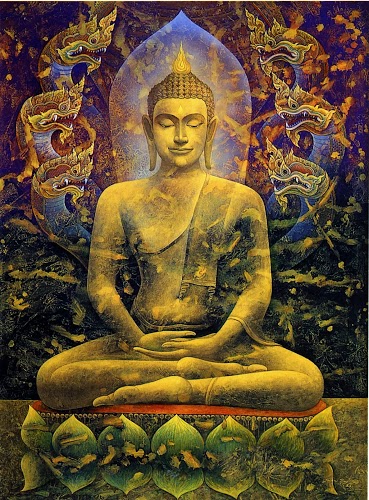
करिब २६४० वर्ष अघि बैशाख पूर्णिमाको रातमा यस धर्तिमा अवतरण लिएका थिए सिद्धार्थ गौतमले रानी मायादेवीको कोखबाट- लुम्बिनीमा । विभिन्न कालखण्डमा त्यो पवित्र भूमि विभिन्न देशभित्र पर्‍यो । वर्तमानमा त्यो क्षेत्र नेपालको सिमानाभित्र पर्दछ । लुम्बिनी संरक्षणको दायित्व अहिले नेपालीको काधमा छ । तर त्यसको अर्थ बुद्ध ‘नेपाली’ थिए भन्ने होइन । बुद्धलाई कुनै एउटा देशको नागरिक बनाउन इतिहास र नैतिकता दुवैले दिँदैनन्[१] ।
image

यो विज्ञान प्रविधिको युग हो । यस युगमा हरेक विषयमा तथ्य केलाइन्छ । बुद्धकालिन कला, संस्कृति, लेखोटका आधारमा लुम्बिनी नै सिद्धर्थ गौतमको जन्मथलो थियो भन्ने प्रमाणित भइसकेको छ । उनको यात्राको बाटो पनि पहिल्याइ सकेका छन् इतिहासकारहरूले । उनको जन्ममितिमा भने एकमत छैन । खोज गर्नै पर्ने विषय जन्ममिति हो, जन्मस्थल होइन ।

बुद्धको जन्मथलोको विकासको “गुरु योजना” २८ वर्षअघि बनेको रहेछ । आजको मितिसम्म योजनाले पूर्णता पाएको छैन । केही संरचना बनेका छन् तर ती पर्याप्त छैनन् । बौद्धहरूको चार धाममध्ये प्रमुख लुम्बिनीको विकासमा किन ढिलाइ ? २९ वर्षको उमेरमा त सिद्धार्थले राजपाट त्यागि सकेका थिए, सम्यक ज्ञानको खोजी गर्न । हामी बुद्ध भूमिका संरक्षकहरू किन आफ्ना व्यक्तिगत स्वार्थ त्याग्न सक्दैनौँ ? उनले बाटो देखाइ दिएकै थिए त ।

सिद्धार्थ र बुद्धका कर्मका सम्बन्धमा

सिद्धार्थको बाल्यकाल सुखसयलमा बितेको थियो । राजा (गणनायक?) सुद्धोधनले वातानुकुलित तीनवटा महल बनाइदिएका थिए भनिन्छ । यद्यपि भौतिक सुखले उनलाई छुन सकेन । मैले सानो छँदा एउटा कथा पढेको थिएँ, जुन यस्तो छ-

हरेक वर्ष रोपाइँ सुरु गर्नाका खातिर हलो चलाउन किसानका खेतमा जान्थे । उनलेे छ वर्षका सिद्धार्थलाई साथ लगेका थिए । रोपाइँको तामझाम छोडेर सिद्धार्थ चाहिँ एक्लै बसिरहेका थिए । वरपर कुदिरहेका कमिला हेरेर रमाइरहेका बेला एउटा छेपारोले तिनलाई खान थाल्यो । फेरि हेर्दाहेर्दै एउटा सर्पले त्यो छेपारोलाई निल्यो । एकैछिनमा, त्यो सर्प पनि बाजको आहारा बन्यो । प्रकृतिको समिपमा त्यस्तो अनौठो चक्र देखेपछि उनी गम्भीर हुन थाले । प्रकृतिमा यस्तो नियम किन छ भनेर सोच्न थाले । मनमा आउने दार्शनिक सोच हटाउनकै लागि ती तीन महल बनाइएका थिए । तर सिद्धर्थ प्रकृतिमा फर्किन चाहन्थे । २९ वर्षको उमेरमा उनी फेरि प्रकृतिमा फर्किए । उनले रोगी, वृद्ध र मृत देखे [२]। उनलाई त्यही दिन थाहा भयो पहिलो आर्य सत्य- दु:ख छ । त्यो दु:ख निवारण गर्न सकिन्छ कि सकिँदैन भन्ने विषयको ज्ञान प्राप्त गर्नु नै उनको लक्ष्य थियो जसका लागि उनले व्यक्तिगत स्वार्थको त्याग गरे । लक्ष्यमा सफल भएका कारण बुद्धका नामले चिनिए ।

दु:खका कारण र निवारणको माध्यम पत्ता लागेपछि उनका मनमा विचार आयो- ‘मैले पत्ता लगाएका कुराहरू अरूलाई सुनाऊँ या नसुनाऊँ । कसैले सुन्ला मेरा कुरा ?’ आम मानिसमा हुने प्रश्न उनमा पनि आएका थिए तर उनले कोशिश गरे । बोधगयामा उनलाई तपस्यामा साथ दिएका दुईजना अनि कुशिनगरमा भेटिएका तीनजनालाई उनले आफ्नो खोजका बारेमा बताए । उनको बोली मधुर हुँदो हो, सरल अनि लोकको भाषामा प्रवचन दिँदा हुन् । त्यसैले त उनको दर्शनबाट प्रभावित हुनेको सङ्ख्या बढ्दै गयो । संसारभर छरिएका बौद्धमार्गीहरूका आस्थाका केन्द्र हुन् गौतम बुद्ध ।

जन्मबाट होइन, कर्मबाट महान् भइन्छ । सिद्धार्थको जन्म राजकुलमा भए पनि संसारले उनलाई ज्ञानको अद्भुत खानीका रूपमा चिन्दछ । जन्मका आधारमा त उनी क्षत्रिय हुनुपर्ने, युद्ध गर्नु पर्ने तर उनले साधक भएर शान्तिको सन्देश दिए[३] । कर्मले महान् भएका बुद्धलाई म मनैदेखि नमस्कार गर्दछु ।

हाम्रो धर्म
मेरो विचारमा उचित कर्म नै धर्म हो । सिद्धार्थ गौतमको धर्म थियो चार आर्य सत्यको ज्ञान हासिल गर्नु, बुद्धको धर्म थियो जनजनलाई आफूले पाएको ज्ञान बाँढ्नु । बुद्धले त्यो ज्ञान नबाँढेका भए के हामी उनको चर्चा गर्थ्यौँ होला ? तर हाम्रो धर्म चर्चा गर्नु मात्रै होइन । हाम्रो धर्म त बुद्धका मार्ग र धरोहरको संरक्षण गर्नु हो । बुद्धका संदेशलाई आत्मसात गरेर नै हामीले उनको सम्मान गर्न सक्छौँ ।

[१. महान व्यक्तिहरू कर्मले चिनिन्छन् । जन्म त सबैले लिएका हुन्छन् तर केही मानिस मात्रै सत्कर्मका कारण प्रख्यात हुन्छन् । यस्ता महान व्यक्तिहरूले सधैँ सम्मान पाउँछन्, उनीहरू जुनसुकै देशमा जन्मेका किन नहुन ।
केही वर्षयता नेपालमा बुद्धलाई नेपाली बनाउने क्रेज देखिएको छ । बुद्धको नाम र तस्विर राखेर फोटोशप गरिएका नागरिकता पनि देखिए सामाजिक संजालमा । मन चिसो हुन्छ । हामीले बुद्धको संदेश लिएर शान्ति बाँढ्नु पर्ने हो तर बुद्धलाई नै खिचातानीमा पार्छौँ । नेपाल र भारतका लागि राजनीतिक विषय हुन्- बुद्ध र उनको जन्मस्थल । बुद्धका  शान्ति संदेश रुँदै छन् पुस्तकालयका कुनै कुनामा ।
२. बुद्धचरीत्रमा भवनबाट निस्किएका  सिद्धार्थले तीन दिन तीन मानिसलाई क्रमशः देखे भनिएको छ- वृद्ध, रोगी र शव । कतै सिद्धार्थले एउटै मानिस त देखेका थिएनन् ? पहिलो दिन सायद उनले एउटा बूढो मानिस देखेका थिए । उनले पहिले कहिल्यै वृद्ध नदेखेकाले उनले चासो लिए होला । भोलिपल्ट सायद ज्ञान भयो कि ती वृद्ध रोगी पनि रहेछन् । तेस्रो दिन सायद ती बूढाको मृत्यु भैसकेको थियो । मानिस किन दु:खी छ र मरेर गएपछि अरूलाई पनि दु:खी किन बनाउँछ भन्ने साधारण प्रश्नले सिद्धार्थलाई बुद्ध बन्न प्रेरित गर्‍यो ।
३. बुद्धले मानव शान्ति र विश्व शान्तिको सन्देश दिए । उनले चार आर्य सत्य प्रतिपादन गरे: १) दु:ख छ ; २) दु:खका कारण छन् ; ३) दु:ख निवारण संभव छ ; ४) दु:ख निवारणका लागि अष्टाङ्गिक मार्ग छन् : सम्यक दृष्टि, सम्यक सङ्कल्प, सम्यक वचन, सम्यक कर्म, सम्यक आजीविका, सम्यक व्यायाम, सम्यक स्मृति, सम्यक समाधि ।]
Construction of Mythological Tripura

Those who are acquainted with Hinduism know this story of Tripura built by the Asura engineer(?) Maya(sur). We have heard that Puranas speak history. If the story of Tripura is a history, not a myth, a lot of difficult questions must be answered. My questions on my other blog “Sanskrit Epics- History or Myth?” on the link below.
http://sanskritepics-history-or-myth.blogspot.com/2016/05/questions-on-tripura-myth-construction.html

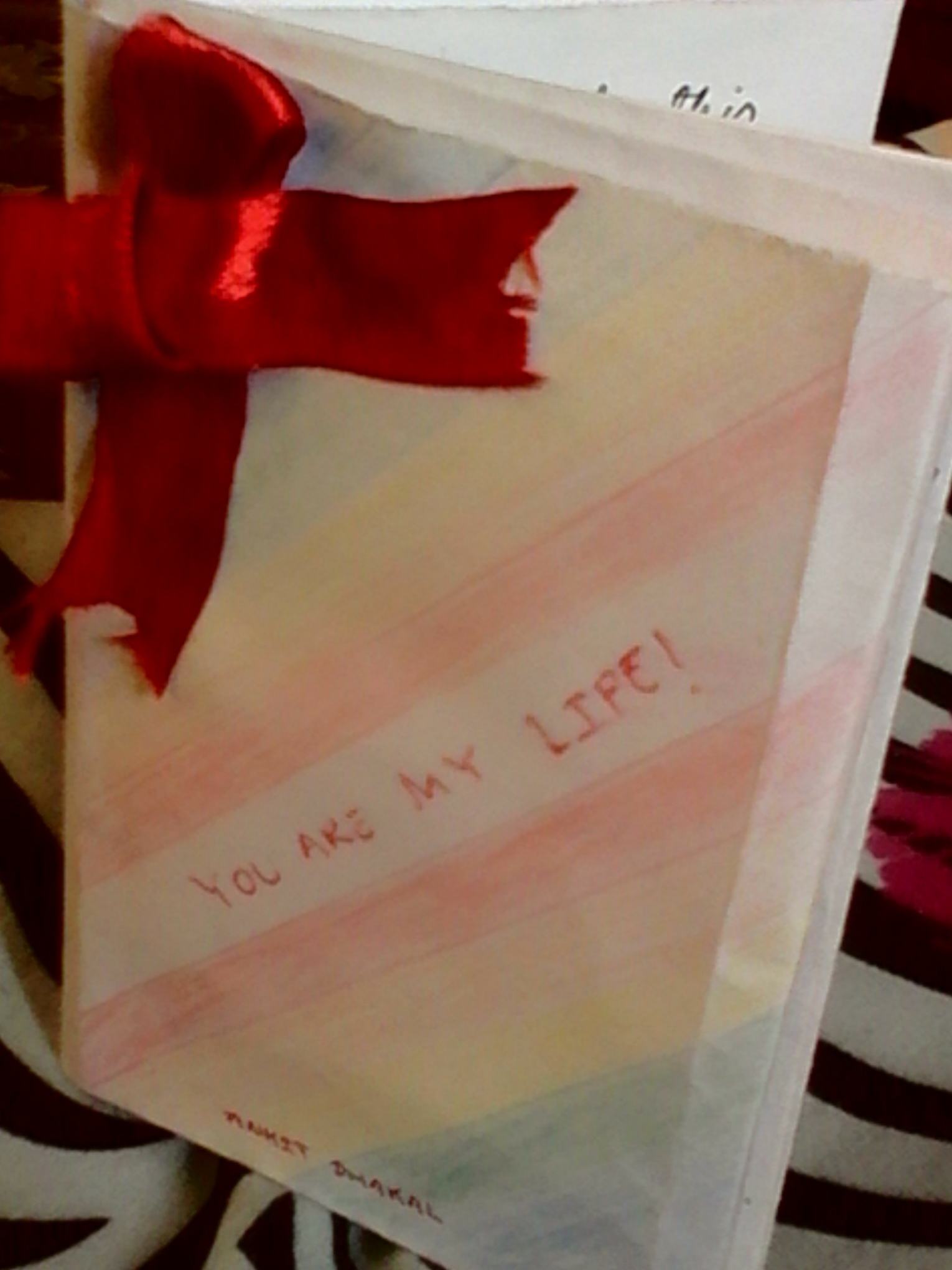
You are my Life!

LIFE IS IMPOSSIBLE WITHOUT LOVE. YOUR LOVE IS THE SPIRIT THAT BURNS THE LAMP OF MY LIFE.

Dear Family,

image

What would I do without you? You make me the person I am. You three are the best people around me whom I can trust forever.

I would never have written this without you, Ankita. If you are not come up with the origami booklet, these words would not have been penned and they would not have come up on my blog today. Thank you, my sister. If you had not brought up the idea, I would have been thunderstruck on the most amazing day ever- the day on which Mother’s Day could be celebrated together with Father’s Birthday. When will such a chance be conjured again? I would have missed it if you had not done it.

Thank you Mamu for tolerating me. I am not easy to handle. You have said it again and again. To bear the thoughts of someone who lives more on dreams and online than reality can be troubling. It’s difficult to take care of me. But you have taken it in your safe hands. That’s why I don’t need to take care of myself while you are around.

Thank you Baba for shaping my personality. My personality is influenced by all three of you in my family but you are the one I feel my characters match to a great extent. I have learnt a great deal through you. Thanks a lot for giving me your attention and making me the way I am.

I know I am not the best but everyday I strive to be better. I might lack the essential skills to face the world. I might have been obstinate at times. I might not have lived up to your expectations. But I’ll ensure that I use the goodness you have fed into me to go on with my life. I will always make sure that I will be with you, in both my joy and sorrow. I promise I will make you proud.

Happy Mother’s Day, Mamu!
Happy Birthday, Baba!

Yours forever,
Ankit

(A note on Matatirtha Aunsi aka Mother’s Day on Friday. Aunsi is the new moon in Lunar Calendar used in Nepal. Fortunately, it was also the birthday of my father according to the Solar Calendar.)

Good Bye, Hero of Dolpa!

On the fifth installment of the Monthly Feature, I have the story of an extraordinary gentleman whose life was a caravan, just like the movie he had acted on in the 1990s.

image
Photo Source: http://kamzangjourneys.blogspot.com

The life of the people living in the Himalayas is difficult. These people do not have proper educational, administrative and medical facilities, because they lack motorable roads. The hardship faced by the caravans in Dolpa was realistically transformed into a movie, Himalaya Caravan (aka Caravan). The movie starts with the death of the son of Thinle, the chief of the village, by falling off a cliff. Who would have thought Thinle would die two decades later, in a similar manner on the banks of Shey-Phoksundo.

Almost every Nepali who is interested in movies and music, know Thinle (Full Name: Thinle Lhendup Lama) as the powerful actor of the movie Himalaya Caravan. The lives of the Himalayan people had been pictured by it’s director. When the movie was nominated under the category of Best Movie in Foreign Language for the 72nd Academy Awards, Thinle became a superstar. The unsung hero of Sallang, Dolpa had stepped on to the spotlight.

Early Life

Thinle was born in the year 2001 B.S. in the Upper Dolpa region in the village of Sallang. His family was traditionally yak-herds. It was a lifestyle for the people in his village.

But he was a star that could not be hidden by the clouds. He insisted on gaining education and his family agreed. They sent him to study in Tibet. When he returned, his perception of the world had changed. His people would not just be limited to Dolpa but would shine all around. He soon became the chief of the caravan the villagers used to move between Dunai, headquarters of Dolpa, and to Tibet. He carried an aura of charm and intelligence, which was shown to the world by a Frenchman, Eric Valli.

Valli and Thinle

What would have happened if Eric Valli had not come to Kathmandu? What would have happened if he did not have the spirit to visit Dolpa, still remote to Kathmandu? What would have happened if he hadn’t met Thinle? Maybe the movie would not have been made. We might never have a chance to acknowledge Thinle, Nepal’s first Global Superstar.

Eric Valli loves trekking in the Himalayas. It is also his passion to bring up the real lives of people on screen. While he came to Dolpa in 1981, he met Thinle who was leading a caravan that had brought in salt and rations from Tibet. After he returned France, he published a travelogue. The travelogue became famous. When he told this to Thinle later, the man from Dolpa asked, “Why don’t you make a film on us?” Sparked by the idea, the movie Himalaya Caravan was made in 1999. The simple yet realistic lives of people in the movie caught the attention of the world. Valli and Thinle rose to fame as their movie was nominated for the Oscars.

Thinle and Nepathya

The lovers of Nepali music praise Nepathya for their folk-pop songs, which focus on the actual setting on which they are sung. ‘Sa Karnali‘ is one such song about the Karnali zone and the lives of people there. Amrit Gurung, the band’s lead vocalist, who is also an adventurer, and a photographer, was called on by the director Bhusan Dahal and they shot the music video around the Shey-Phoksundo with Thinle. The song and the video left in the minds of many teenagers (including myself) the images of beautiful Dolpa.

Thinle and Gurung in particular were forged into a strong relationship. Gurung called him ‘Kaka’ (uncle) and was among the first to publish an obituary in the name of the Dolpali hero.

Thinle and Politics

During the years of his stardom in the 90s, Thinle was also involved in politics. (I was shocked to know this!) Thinle, who always kept his Dharma above anything else, helped bring some changes in the villages of Upper Dolpa. With his influences, he was able to provide the villages with drinking water and electricity. The Dolpalis revere him for the great man that he was. Even last month, he had come to Kathmandu to seek help from the government in resolving problems of Dolpa.

Thinle, the Caravan

Thinle left the material world last Sunday. He had fought cancer. The will of seeing a good transportation facility had kept him alive. The prayers of his people had kept him surviving in the harsh mountain life. But on that fateful day, death had come to him in the form of a mule. He could not escape.

He was returning Sallang from Dunai on a horse. As he was going up on a cliff above Shey-Phoksundo, a herd of mule came from opposite direction. He gave way to them, himself at the edge of the cliff. All the mules passed but the one which was his death pushed him. The hero of Dolpa fell from the cliff down on the bank of Shey-Phoksundo. Thinle thrived with caravan. He died with it. He himself was a caravan, a traveller who traded his life of hardships with a life of heroism- both on-screen and off-screen.

References
1. http://kantipur.ekantipur.com/news/2016-04-24/20160424192121.html

2. http://nepalitimes.com/news.php?id=13437#.Vx15wjNw31Y

3.Amrit Gurung’s post on Facebook

4. http://setopati.com/samaj/45713/

5. http://www.pahilopost.com/content/-15863.html

6. http://kantipur.ekantipur.com/news/2016-04-30/20160430094026.html

7. Himalaya Caravan (IMDb)

बिदाई डोल्पाली नायक !

image

साभार: http://kamzangjourneys.blogspot.com

सानै छँदा मैले सोधेको थिएँ, “बा, मरेको मानिस काँ जान्छ ?”

“ह्याँ आ,” भनेर मलाई काखमा राख्दै आकाशमा मुस्कुराइरहेको चन्द्रमा देखाउनुभएको थियो , “उ: माथि हेर् ।”
मैले चन्द्रमातिर हेरेको थिएँ ।
… बाले भन्नुभएको थियो- मरेको मान्छे, माथिमाथि अझ माथि जान्छ । चन्द्रमाभन्दा माथि जान्छ । तँ मेरो काखमा बसेझैँ, भगवानको काखमा बस्छ । तँ बेलाबेला रून्छस् नि, त्यसरी कहिल्यै रूँदैन । कहिल्यै दुख्ख पाउन्न । सध्धैँ सुखी हुन्छ ।
      – बुद्धिसागर, कर्नाली ब्लुज

हिजो पाँच बजेतिर कर्नाली ब्लुज सकेँ । त्यसको ह्याङओभर नमेटिँदै फाेनमा फेसबुक खाेलेँ । नेपथ्यका अमृत गुरूङले ब्ल्याक एण्ड ह्वाइट फोटो हालेका थिए, साथमा डाेल्पाली नायक थिन्ले । क्याप्सन पनि पढेको थिएँ- सम्झनामा आइरहने छाै, यस्तै केही । तर भनेँ नि, म पुस्तककै धङधङीमा थिएँ, त्यसैले हाेशै भएन । ट्विटरमा त्यस सम्बन्धित कुनै गसिप थिएन । यसै पनि मेराे उदेश्य बुद्धिसागरकाे जीवनी खाेज्नु थियाे, भेटिहालेँ सेताेपाटीमा । आफ्नो लक्ष्य पूरा भएपछि म अरू नै काममा लागेँ ।
आज बिहान अमृत गुरूङको फोटो देखेपछि पो झसङ्ग भएँ । अनि कर्नाली ब्लुजको वाक्यांश याद आयो- मान्छे मरेपछि सधैं सुखी हुन्छ । हिजोदेखि कर्नालीका एउटा छोराले पनि सधैंका लागि सुख पाएका थिए ।

एरिक भ्याली १९७२ मा नेपाल नआएका भए, नेपालको सुन्दरता बुझ्न १९८१मा उनी डाेल्पो क्षेत्र नपुगेका भए, अनि थिन्लेको आग्रहमा क्याराभान नबनाएका भए सायद ती डोल्पाली नायकलाई कसैले चिन्ने थिएन । भ्यालीको त्यस चलचित्र प्रतिष्ठित एकेडेमी अवार्ड (ओस्कार)मा मनोनयन नभएको भए, थिन्ले दुर्गमका अनेकौं नेपालीझैं अपरिचित रहने थिए । एक चलचित्रले उनलाई प्रशिद्ध बनाइदियो ।

तर सायद हामीले उनलाई सम्मान दिनै सकेनौँ/जानेनौँ । उनले डोल्पामा मात्रै नभएर कर्णाली क्षेत्रमा नै विकासको माग गरेका थिए । केही हप्ता अघि मात्रै काठमाडौँ आएर डोल्पाका दु:ख निवारण होस् भनेका थिए । आफू क्यान्सरको बिरामी हुँदा पनि आफ्नो गाउँ/ठाउँको बारेमा सोचिरहेका थिए । असली जीवनका यी नायक सबैको उन्नतिको कामना गरिरहेका थिए ।

हिजो दिउँसो उनी यो दु:खी संसार छोडेर गए । उनी क्यान्सरको बिरामी भए पनि मृत्यु भयो घोडाबाट लडेर । सामान ओसारपसारका लागि घोडा-खच्चर प्रयोग हुने त्यस भेगको बाध्यतामा परेर उनी गए । क्याराभान तान्दै, घोडा दौडाउँदै परिचित भएका उनी क्याराभानको यात्रामा नै वैशाख १२, २०७३ मा दिवङ्गत भए । डोल्पाली नायकलाई श्रद्धाञ्जली !

सन्दर्भ सामग्री
१. http://kantipur.ekantipur.com/news/2016-04-24/20160424192121.html
२. http://nepalitimes.com/news.php?id=13437#.Vx15wjNw31Y

Nepal vs Namibia: A Battle of Nerves

Cricket is a dangerous game for people with weak hearts. The game is a battle of nerves, not just for the players, but also for the fans. Nepalese cricket fans felt this on the 22nd match of the ICC World Cricket League Championship between Namibia and Nepal at the TU Cricket Ground, as it turned out into a wonderful thriller.

The First Innings

The First Twenty Overs: Namibia’s supremacy

Captain of Nepal, Paras Khadka won the toss and decided to field. His decision soon proved to be erratic as the Namibian openers Stephan Baard and Zane Green started fast and steady. They hit splendid boundaries against Sompal Kami, though Shakti Gauchan was more economical on the other end. The lapse in fielding from Nepal in the slips mounted the pressure. Both Baard and Green were dropped by Paras off Sompal’s bowling in the seventh and ninth over respectively. The momentum Namibia had got was troubling Nepalese fielders. With the sun shining brightly, Namibian batters found boundaries in what could be singles and at most, twos. Though spinners Paras, Sandeep Lamichhane and Basant Regmi bowled well during the tenth to the twentieth overs, lack of wicket was hitting them hard. Meanwhile, Namibia had made 91 runs at the loss of not a single wicket at the end of the first twenty overs.

Twenty-first over: Rise of a Young Kid

If Nepal had to stop Namibia, they had to take wickets. The captain called for Sandeep Lamichhane(sixteen years old), who had already bowled two superb overs. This young leg spinner did what he was expected to do. Baard was caught behind by Binod Bhandari as he tried to sweep hard. That little kid’s trick changed the momentum of the game.

Twenty-second to Thirtieth Overs: Run Outs and LBWs

The wicket of Baard changed the game. Though they had good score, Namibia panicked. On 23.2 over, a confusion arose between the two batters. France(what a surname!) was run out off Sagar Pun’s bowl. On 27.6, the batters tried to steal a run off Pun’s bowling. Substitute fielder Karan KC hit the stumps directly to get Erasmus out. The score was 113/3 by then.
Basant Regmi came back in the next over and took two wickets. On 28.2, he got Green, the settled batter. Four balls later, he got Snyman, who was ducked. Both the wickets had been leg before.

The Next Ten Overs: Time to Settle

The next ten overs, Namibia looked to settle down a bit. Sarel Burger(what surname, again!) and Louwrens took the score to 134/5.

The Last Eleven Overs: Namibia strike again

Then Lowrens got out trying to hit a big shot. Scholtz came and struck 22 runs in 17 balls. He hit two sixes before he got out but set the momentum for a better score.
Kotze, who came up next made 32 runs in 11 balls. By the time he was out in the 47th over, Namibia had already made 206 runs. In the next three overs, Smit and Burger made sure they got a score of 239. Burger remained not out as in the previous match setting an achievable target in an “easier” batting pitch for Nepal.

Second Innings

The First Thirteen Overs: Nepal’s slow start

Despite the commentators talking of easier batting conditions, Nepal started the chase at a slow run rate. The required run rate was less than five but they made only fifteen runs in the first five overs (runs per over=3). As Nepal was trying to accelerate, Naresh got out. Smit got him LBW. Sarad Vesawkar came next and settled himself slowly. At the end of 13 overs Nepal had just made 37 (RPO less than 3). There was a need for an acceleration, else the match could be lost.

Fourteenth to Forty-first Overs: Glory

Groenewald (I thought Grindelwald!) ended Gyanendra’s innings in the first ball of the fourteenth over. Captain Khadka came in and played the most glorious innings of his life. He hit five fours and seven sixes in his 103 off 95 balls. Meanwhile, Sarad had made 60 runs before Khadka got out. They had added a record 167 runs between them to take the score to 204/3 in 41.2 overs.

Three Nepalese players completed 500 runs in the List A matches. Gyanendra Malla, Paras and Sarad- the first, second and the third to achieve the feat respectively.

The Last Eight Overs: The Battle of the Nerves

When Khadka got out, Nepal needed 36 runs in 52 balls. That’s when the nerves kicked on. The over the captain had gone off, gave just one run. Namibian bowlers created a pressure on the batting unit. Rajesh Pulami played a rash shot and got caught. Binod Bhandari came in next and played sensibly except on a few occasions until he was bowled out by Burger. Binod had just made 12 runs. And Nepal needed 10 runs in 21 balls.

The pressure would have been settled had Sagar Pun made runs in the 48th over. When he got out scoring two runs, Nepal needed 8 runs in 11 balls. Nepal was closer to victory but Namibia too was closing in. The plot for a thriller had been set. Any team could have won from there.

Sompal really had a bad day. He got out on one trying to play a big shot. Sarad got to the wrong end. Basant Regmi on strike, our hearts had almost come to our mouths. Would we snatch a loss from the jaws of victory? Would we have to suffer a heart break?

The answer came when Basant Regmi made a run to bring Sarad on strike. Sarad struck the next ball but a splendid fielding meant that he would be denied of a boundary as well as strike. 2 off 4. A dot ball. 2 off 3. Fans were saying, “Please don’t do a Bangladesh!” (Bangladesh had lost to India in World T20 last month under similar circumstances.) The prayer was heard. Basant got lucky as the wicket keeper of Namibia missed a catch and Sarad was saved from a run out. 2 off 2. Sarad played a premeditated shot at covers. He ran with a smile, his fist pumping in the air. He had made us victorious, twice in a row.

The crowd at TU Cricket Ground burst into a roar. So did the fans who were watching the match on TV or those who were taking live updates on the social media. Namibia did great but a touch unlucky. Thanks to the both teams for such an entertaining match.

The Championship Table

Nepal climb up to the fifth position. They would have had a better net run rate if they had won earlier. They are playing the Dutch, who are on the top, next. They need to overcome the flaws to target the top four, which will lead into the World Cup Qualifier.

I Believe!

“I believe in luck. Call it fortune, coincidence [or serendipity], I believe in incidents that occur all of a sudden and change the course of life.”
As I was thinking of the above statement from an essay by Nagendra, I knew I had to present instances if I had to bring it up an article. I got them in a magazine. The stories of Buddhi Tamang and Kameshwor Chaurasiya made me believe the statement even more.

Would you have ever thought that a man who was doing labour works could get into movies? That’s Buddhi Tamang. He worked in different places as a porter until someone told him to work at a theatre. Gradually he got into acting and was soon doing dramas. After doing a few movies, he worked in the superhit movie Kabaddi Kabaddi. “Hait,”- the one word that made him famous. His acting was praised by all. He now aims to be a director. All the best Mr. Tamang!

When you have a passion for something it’s better to pursue it. But this did not happen to Kameshwor Chaurasiya. He got involved in stage acting but could not get a chance in the theatre- in Nepal and in India as well. One day he declared himself a failure and started selling ‘chatpate’. His passion came up alive once again when he met Anup Baral, the famous director on the road. Though details were not provided, he got a chance somehow and rose to fame after his work in the movie Resham Filili.

Call them fortune, universal conspiracy or Maktub (as Coelho says in ‘The Alchemist’) or ‘lekhaanta'(in Nepali) I believe in instances of sudden change in fortune. This dangerously means loss as well although I have mentioned gain here.

***

I believe in God. As a student of science, I should not just believe in God. I should be able to show evidence on God’s existence. But I am not only a student of science. I live in a society that believes in divine power. My parents tell me to have faith in God. In fact, faith is a way of life.

Nepal is known as the home of Gods. Most people believe that the mighty Himalayas and the plain of the Terai are gift of God to the Humans. Living in Kathmandu, the capital city of Nepal aka the City of Temples, there is no way I can avoid God. If I say I don’t want to believe in God a hundred times, God somehow makes me believe in the Divine existence.

This week I saw in much details the process by which Goddess was invoked into a stone sculpture. Through Tantra-Mantra-Yantra, when the Goddess was said to have entered the statue, we could feel the change in energy. Everything looked beautiful. You could feel the positive vibes of the Mother entering into you. There were smiles everywhere. A transformation of Goddess also promised a transformation of Human hearts.

That’s one way of having a faith in God but I also believe in the existence of all powerful God within us that we often fail to identify.

***

I believe in Love. The soothing feeling while you are with your family, the comfort you feel with your friends, the awesome inexplicable feelings while you meet your lover- Love comes in various forms.

Love is within us and among us. But we fail to recognize it’s presence most of the times. That’s why the Buddha, Christ, Martin Luther King, Mahatma Gandhi, Mother Teresa, Florence Nightingale are special to us. Had there been no Love, the World would have fallen apart. I believe Love is what we live by (just like Tolstoy penned in ‘What Men Live By?’

***

At last:

I believe Love can change our Luck, Luck can help us discover God, God shows us way to Love and Love makes our lives worth living. I believe that if we can invoke God into a stone, there is no way we cannot discover God within us. It’s just matter of time, patience and well doing.

New Year Resolutions

2072 was a year to remember. Earthquake, economic bloackade, fuel shortage, intimacy with China and coldness with India. Dark clouds loomed all over but every dark cloud has silver lining- ancestors told in proverbs. Do we seek for the silver lining? Yes, we do.

The silver lining we seek for depends on our resolutions. Our resolution should be the following so that we can do something to help ourselves.

1. Developing sincerity
We do tasks for the sake of doing them. We do homeworks so that we can show them to teachers, that too with an intention to cheat. But we did so because our teachers were not sincere. They did not instruct us well.

Why would they? Facilities and wages at government schools and colleges are not enough to solve their family problems. The government run academic institutions say that they have not been sent enough budget. The money to be spent on education is not sent because the Secretary at the Ministry of Education is on a leave. Some parents are trying to bribe him so that their children can get a medical scholarship. He does not want to support corruption but he alone can not do anything. The “system” does not help. We make the system. It is insincere because we are, fair and square.

Sincerity on our own part can help a lot in upbringing of a good system.

2. Learning to be happy

We are not happy. Why? We are not involved in the works we are the best at. The society wants us to do whatever it wants. We give in. Our dreams die.

Did they really die? Not quite. They might have been unconscious. Suppose we wanted to be famous in robotics but under unavoidable circumstances, we could not join science in plus two. We had to study commerce. We had pledged to be sincere. So we sincerely studied and sought for happiness. Happiness came up when we saw Computer Programming as a subject. We took an interest and then one day, we dream of writing a program for a robot. Our dream was alive all the time. It was just unconscious for some time.

3. Willing to fight
As said before, we set up the system and if we are to change it, we have to fight the people who support wrongdoing in the name of system.

Are we thinking of beating them up? Wait! Life is not a movie. We can not do that to someone who supports the system. Someone on the top of the system can attack us easily.

What do we do? We seek help of the constitution and laws. We seek help from each other. We raise our voices, not our arms. We sincerely do our works. We happily get involved in the change. We gradually fight the system. Slowly, steadily we reach the common dream of making Nepal the most prosperous country.

4. Developing rational/logical thinking
Suppose we have moved on to pursue the Great Nepalese Dream. Meanwhile someone says, “We were happier while we could easily bribe officers. The new system controls corruption but does our work slow.”

Do we pause thinking that the person is right or do we move on solving the problem he pointed out- slow working? The correct logic would show us new paths. The incorrect one would take us back to where we had struggled to come from.

If we can distinguish right from wrong, we will definitely progress.

Lastly,
Our resolution is the silver lining of the dark clouds. The silver lining been found, we need to work them out on solving our problems. The dark clouds will scatter soon. The sun will shine brightly. The sky will be our limit.

Note:
The New Year I mention here is the Two Thousand and Seventy-Third year of the Bikram Sambat (Calendar of King Bikram).

Liebster Award

Jyotee (Isolated Girl) of jyoteeblog.wordpress.com nominated me for this award. She is from Nepal and her blog includes beautiful poems (a lot of them). Thank you for the nomination, Jyotee.

Here are the rules of the award:

image

Questions and Answers:

1. Who are you and where do u belong to?
>>> I am Ankit aka Sandeept. I am from Kathmandu, Nepal.

2. Who is your idol and why?
>>> My parents and my sister. I carry major traits of their individual personalities.

3. Which is your favorite book and why?
>>> “Little Brother” by Cory Doctorow for it introduced me a new fiction genre- ‘cyberpunk’.

4. What is beauty? And what makes you beautiful?
>>> Beauty is said to be in the eyes of beholder. I believe eyes here means the heart. I’m not sure(?) but it must be my heart that makes me beautiful.

5. Are you single, in a relationship or married?
>>> Single, while I’m writing this.

6. Who is your favorite author?
>>> Laxmi Prasad Devkota, Edgar Allan Poe, Agatha Christie, Alexander Dumas.

7. What is the best thing about you? And the worst one!
>>> The best thing (it’s difficult to think one): imagination, maybe.
The worst thing (That’s easier): Diffidence on handling matters.

8. What do you write and why?
>>> I write everything from poems (little), essays and stories. I’m also working on a couple of novels(incomplete).
Writing is a way of handling my emotions to much extent. I also write because (I’m borrowing your words, Jyotee) I don’t want to die doing nothing. It would be something to bring up inspiration to the society through my works.

9. Is your life difficult or is it easy?
>>> To a boy grown up in a middle class family with expectations from a lot of people, life is never easy. But that doesn’t mean it’s too difficult. Life is life- it just goes on.

10. Who or what is God?
>>> Believe me, the manifestation of goodness within us is God. Anyone/Anything, including yourself, who can inspire your goodness is God.

11. Whom do u love, the most in the world?
>>> I said one day to my friends, “I love myself the most. Call me selfish but if I cannot love myself I cannot love others.”

11 Random Facts About Myself

1. I was an extrovert during my early childhood gradually changing into an introvert. It was the demand of the circumstances.

2. I used to sing in the stage until I was in Grade 1. While I was singing a song, I mimicked the music as well which made everyone laugh at it. I thought I had made a mistake and could never sing a song properly on the stage.

3.  I am a student of Geology. The subject is somewhat practical and at times feels hypothetical which makes it fun and tough at the same time.

4. I am fond of ebooks. I have read several books on Project Gutenberg, anf have MBs of downloaded epub and PDF versions on my computer and mobile devices

5. I used to participate on the quizzes since I was in Class 3. By the time, I was in 8, I had become the captain in every quiz competition. Once, in an Inter-House Competition, my House (Red) answered all ten questions in One-Minute-Rapid-Fire Round. That was the last round and we leaped from third to win the competition.

6. I did not wear glasses despite poor eye-sight during my Plus 2. I passed all the exams by listening to the lectures and copying from my friends, including Maths.

7. I was very arrogant when I was a child.

8. If you ever come to my room, you will find books everywhere. The first reason is their number and second reason is that I can’t find them easily if I do not place them in random.

9. I am fond of animated movies. Shrek, Tangled, Brave, How to Train Your Dragon, Up, Inside Out are some of my favourite movies. I find them artistic.

10. Two years ago, I read all seven books of Harry Potter series (Ebooks) in 13 days. I can’t explain the hallucinations I felt.

11. From 2013, I have been reading at least two novels by Agatha Christie each year. The first I read was “The Secret Adversary”. The most recently read is “The Cards on the Table”.

Here are my nominees:

1. Acharya Samir
2. Anish Khanal
3. Carlos Lewis
4. Garima
5. Anush

And here are my questions:

1. What is your blog about?

2. Who is your best friend?

3. Do you have pets?

4. If you could meet one person from any period in history (it may even be fictional), who would it be?

5. What is the sweetest thing someone ever did for you?

6. Which were the best years of your life – childhood, youth or whichever age you’re now?

7. Do you suffer from any kind of phobia?

8. Can you spend the day without looking at the clock?

9. Which is the cutest animal that you’ve ever seen for real?

10. Do wishes come true?

11. The last but not the least, the classic one: Love is ……

One Lovely Blog Award

Carlos Lewis had nominated me for this award on February. I am sorry that I’ve been late. Carlos’ blogs are random thoughts (I can relate that to myself!) and they are wonderful. Thank you for the nomination, Carlos.

Here are the rules of the award:

1. Thank the person that nominated you and provide a link to their blog.

2. List the rules.

3. Display the award on your post of the award.

4. List seven facts about yourself.

5. Nominate 5-15 bloggers for this award and comment on one of their posts to let them know you have nominated them.

7 Random Facts About Me

1. I belong to Nepal- the land of the Himalayas and the Buddha.

2. I am a listener and a reader. I am fond of ebooks.

3. I can spend long hours without speaking. Silence is boon at times.

4. I manage four blog sites. This is the one I use the most.

5. I am fond of animated movies.

6. I love mystery stories.

7. I have a keen interest in learning languages.

My nominees are:

1. Acharya Samir
2. Anish Khanal
3. Jyotee
4. Garima
5. Anush

Happy Blogging!

Page 29 of 39

Powered by WordPress & Theme by Anders Norén

Stories of Sandeept

Experiences of a common man!

Skip to content ↓