Experiences of a common man!

Category: Humans and Humanity Page 8 of 10

Prometheus and Democracy

I saw the names of Prometheus and Epimetheus for the first time in the story Pandora and the Box of Troubles. The story did not say much about Prometheus except when his brother Epimetheus says that Prometheus would be angry if the box of troubles was opened. Pandora opens the box and releases the troubles despite the warning. I don’t know what Prometheus did later. Nobody has told me.

Some years later, I saw these brothers named as Titans in a B.A. level textbook. (I don’t remember the book. I was in Grade Seven, probably.) Titans had a war with the Olympians–not those who participate in Olympics –but Prometheus and Epimetheus supported the Olympians. I found that particularly strange but there was no answer. I, myself was not much interested at that age.

When I had intense desire to recall the Greek Mythologies, I used to look up the Wikipedia. There, for the first time, I saw that Prometheus did one rebellious thing against the Olympians–stealing the fire. I got interested but could not go through all the article.

This October, I found a Grade Nine English textbook (not the Government prescribed) where I found the story of Prometheus again. This was the same story in which he stole the fire. This time, however, I could make sense of the story. What a rebel he was!

Prometheus was a life-long rebel. When Cronus and his other brothers (the Titans) were busy “ruling” the world, and not taking care of the people they ruled upon, he and Epimetheus helped Zeus and his siblings (the Olympians) fight other Titans. I forgot the details but I think I read that they enlightened the Olympians on the strengths and the weaknesses of the Titans. The Olympians won.

When in power, they did not take care of the people they ruled. In other words, they turned into tyrants just like the Titans. Prometheus saw humans suffering and he decided to rebel against the Olympians. The best way he found was to steal fire from Olympia and give it to humans. And also to train in how to use it. He succeeded in his goal but not without Zeus’ knowledge.

Zeus did not like what Prometheus did. So, he was punished. I won’t go through all the punishments he went through but the introduction of Pandora was one episode in it.

What can we learn from the story of Prometheus?

I see a trend of repeating history in this story. The ways both the Titans and the Olympians when they gained power are similar. Throwing the Titans and establishing the Olympians seems like a dictator being replaced by another. When that happens, people suffer even more. They think the second dictator is better but it is not the case. That’s when rebels like Prometheus come up. They teach people to fight the dictators and established a system of ruling. The result is democracy.

The story of Prometheus, thus is in one way, a way to understand the foundation of collective wisdom–democracy.


UN Day: What We Expect from the UN

We don’t want the United Nations’ Organization (abbreviated UN or UNO) to become another League of Nations. We don’t want it to fail in it’s objectives. Because we know, without the UN, the world is certainly going to face a nuclear war.


un-flag-square

The UN was established on October 24, 1945. As the world celebrates the establishment of this world organization, I present my views on the UN based on my recent observations. First, my comment on my friend Roshan Bhandari’s post on Write, Share and Discuss:

The UN had big challenges when it was established. Its charter promises a war-free world. But wars have not come to an end. The UN failed to stop the Kuwait-Iraq war, the American attacks on Vietnam, Afghanistan and Iraq. The Israel-Palestine conflict never seems to resolve under the UN. The underdeveloped countries are still suffering. The organizations under the UN such as FAO, UNDP are affected by corruption. You heard the case of rotten cereals and pulses distributed in the remote areas of Nepal and also during the earthquake last year, didn’t you?

The UN looks like a puppet organization to me. Well, it’s almost true that the veto-nations rule it. Especially, the US, Russia and China. If avoiding conflict with Syria didn’t serve Russia a purpose, the nation would have been churned and the UN would not have said anything. The Americans and Europeans have already marched to fight “Islam” in the name of fighting the terrorism, though, and the UN cannot overrule it. The UN is in a state of coma. It does not seem to come out of it anytime sooner.

Criticisms of the UN

I had not thought about my views until last month. I wanted to know if other people also thought that the UN has problems. I googled “Has the UN failed?” and discovered several articles on the internet that represent my thoughts above. There is a Wikipedia article on the criticisms of the UN, infographics that show the failures the organization has met and several other articles related to its problems.
I don’t understand most of the things the Wikipedia article says but I think the biggest problems in the effectiveness of the UN are the five permanent member nations of the  Security Council. These five nations- the USA, the UK, France, Russia and China have veto power by the use of which they can force the SC to make certain decisions. Veto must have been suggested as a way to stop wars but it is not effective. The USA and the USSR (now Russia) have used the power indiscriminately to overrule policies that are against their interests. No permanent nation, like I’ve said above, is going to use veto or stop war if they don’t have their own interests. The USA, the UK and France are also the members of NATO. As the UN cannot stop military activities of the NATO, these nations can participate in war through the latter thus making the decisions of the former useless.
Another problem with the permanent members is that they are top fives among the major arms exporting countries. There is no use of arms in the absence of war. If these arms exporting nations have continued to supply arms and gaining profit, it means wars are continuously going on around the world. The UN seems to check these wars. An even more frightening scenario is the one in which the arms producing and exporting countries are backing up wars in various parts of the globe. If wars help them improve their economy, why wouldn’t they do so?
The another big problem is bureaucracy. Anthony Banbury says in an article on the New York Times:
The world faces a range of terrifying crises, from the threat of climate change to terrorist breeding grounds in places like Syria, Iraq and Somalia. The United Nations is uniquely placed to meet these challenges, and it is doing invaluable work, like protecting civilians and delivering humanitarian aid in South Sudan and elsewhere. But in terms of its overall mission, thanks to colossal mismanagement, the United Nations is failing.
The article says that the UN bureaucracy is slow. As a result, immediate response to a particular situation is difficult. Banbury also criticizes the role of peace-keeping forces in countries like, Haiti, Sudan and Mali. Peace-keeping forces have not been able to bring peace in these countries. If they have, it’s been temporary. And in some countries such as Haiti, where there is not much need for the peace force, they are still there.

Nepal and the UN

In Nepal, the UN and its different agencies have been working in providing basic needs of food, shelter, health services, and in activities related to human rights. United Nations’ Mission In Nepal (UNMIN) helped in the peace-process of Nepal. The WHO, UNFPA and UNICEF have helped in health sector, the WFP is working to provide food in the rural areas, the UNDP on development works, and so on.
Last year, the WFP got into a controversy*. Most Nepalese media and parliamentarians criticized the distribution of rotten food products in the earthquake affected areas. Such claims had also been heard earlier. We don’t know if the WFP is actually providing anything bad, but if such things come up regularly, we’ll be inclined to think that something is wrong. It also questions the effectiveness of the UN agencies.

What we Want

We want the UN to work democratically, and don’t want some nations decide the future of the world. We want the members, especially the permanent members of the Security Council UN to support peace and humanity, not wars. We want all the nations to work together selflessly. We want the developed nations to invest in uplifting the economic status of the poverty-stricken people over the globe, not just on nuclear weapon research and space travel. We want the UN to take these initiatives to bring eternal peace and happiness.
* The title of the article in this link might be misleading.


Dashain, October 10 and Some thoughts

Dashain, Nepal’s biggest festival, began on the first day of October. Almost all Nepalese festivals are based on Lunar Calendar. So, this was an unusual coincidence. But we don’t commonly use the English calendar. (We call it English. Is it Roman? I’m confused!) You know, it went unnoticed, at least to me, until now.

The second day of Dashain marks the beginning of  Navaratri- the nine days (or nights?). Navaratri literally means nine nights but we worship nine Goddesses these nine days. I’m really confused by the definition.


The Goddesses we worship are the representatives of Nature and Mothers, we say. However, some people kill female foetuses because they want sons. Men believe sons carry on their races. Do they really? 

Genetically  speaking, a son gets a Y-chromosome from their father and an X-chromosome from their (This singular “their” is confusing me now!) mother. Geneticists say, “Y-chromosome is almost empty. Most of the characters in a son are related to their (singular, again!) mother.” While daughters have two X-chromosomes, one from father and one from mother, they seem to carry father’s legacy more than their male siblings.

Practically, legacy and races are carried on by both the sexes. A male and a female give birth to or adopt children, groom them up and those children represent whatever they learn from parents. That’s what legacy is. We are confusing legacy with birth, while it’s actually is karma. (Wow, I can use this word in English without an explanation!) While talking about race, we narrow ourselves into some surname or a community. Why not think about the human race as a whole?

I have been deviated from what I wanted to say. I was talking about Dashain and with it, ‘To eat or not to eat (meat) is the question.’ Bali (sacrifice) is defined by experts differently based on their preferences. Some say, “Sacrifice your animalistic characters.” And some, “Sacrifice your animals.” To me both seem right but I have to follow one. I follow the latter. I eat meat and I can not support the previous. I’m already a devil to them. But being a vegetarian (Is this a polite word? Somewhere I read, it is!) does not particularly mean one is an epitome of goodness. I can point out some people but don’t want to do it here. Find them out yourselves, will you?

I don’t think it would be right to say, “Don’t eat meat because it is bad.” If it were that bad, we would never be introduced to it in the first place. If you want to eat, eat it. If you don’t want, don’t. But don’t show hatred towards those who eat meat. With increasing droughts, desertification, and probable nuclear apocalypse, meat-eating people might find it easy to survive than the rest. Who knows if a lifetime vegetarian will have to eat meat in such a situation? (I remember watching a scene like this in some movie. I don’t remember the name though.) Because at times of wars and apocalypse, moral values don’t matter. Only thing that counts is survival.

I don’t want to debate though. I just want to say that Navaratri has come to an end. The debate thus ends until the next year.

And I want you to celebrate this wonderful day, which has already passed in some Asian countries, and is about to end in less than an hour in Nepal. It 10th of October. 10th day of the 10th month. Calendars tell me it’s World Mental Health Day. (I nearly wrote World Health Day. But Mental Health Day would also be on Health Day according to WHO’s definition.)

If you have been really confused reading this article, all I wanted to say is that I am totally confused over these days. Confused mind might not be a good health indicator but we live confused lives in this confused world. Why should I only feel guilty about it. Let’s share the guilt together. To sum up, I would like to end this article with a comment (I have not copied it except the first sentence- that was the easiest!) on Science Alert’s Facebook page:

Humans are strange. They create moral principles, discuss over what they should do to make their lives peaceful and religious. But they also create weapons for total destruction.

Examples Jhamak Ghimire has Set

Introduction

On Bhadra 20, 2073 (September 5, 2016) the Madhya Paschimanchal University (MPU) granted Jhamak Ghimire an honorary doctorate. The inspiring litterateur never went to school. Yet, she has received the honour because of her talent in literature. 

Jhamak Ghimire was born on Asar 21, 2037 in Dhankuta. She suffers from cerebral palsy. The neurological condition does not allow her to talk and move her limbs properly. However, she uses her two toes and immense power of observation and  imagination to communicate and create literary works. She has published thirteen books of different genre- poems, stories, essays and autobiographies. Her autobiography, Jeevan Kanda ki Phool (won her Madan Puraskar, the most reputed award in Nepali literature.

Examples she has set

1. Nothing is Impossible

Even with extremely limited movement, if one has healthy mind, nothing is impossible. Though she has never attained school, she gained knowledge on her own. And has become an inspiring figure.

2. Thoughts are Limitless

One may be limited physically but thoughts and imagination have no bounds. She writes as if she has experienced things herself. She has shown her abilities in critically analyzing things she hears and reads.

3. Life is full of Struggles

There are hardships in life. One has to undergo several struggles in life. Ghimire has faced the obstacles of the family, and the society. The obstacles inspired her to revolt against them. Her literary works represent the revolution.

Conclusion

Jhamak Ghimire is an exemplary personality who has challenged her physical weaknesses to inspire people all around the world.*

Note:

*Jhamak Ghimire’s autobiography Jeevan Kanda ki Phool has been translated into English, Hindi, and Japanese languages and is being translated into several other languages.

Source

1. MPU’s circular on Honorary Doctorate to Jhamak Ghimire

2. The Kathmandu Post

3. The Himalayan Times

4. Ratopati

सम्पदा स‍ंरक्षणको अद्‌भूत नमूना : ठाउँ नै सारेर पनि यसरी जोगाइयो — Mysansar

– सुबिक कार्की (इजिप्टबाट फर्केर) – गत वर्ष वैशाखको महाभूकम्पले नेपालका थुप्रै सम्पदा भत्किएका छन्। त्यसको पुननिर्माण अझै हुन सकेको छैन। सम्पदा संरक्षणको चिन्ता जागिरहेको बेला यहाँ म एउटा सम्पदा संरक्षणको अदभूत नमूना प्रस्तुत गर्दैछु। एघार देश भएर सुडानबाट इजिप्ट हुँदै भूमध्यसागरमा विसर्जन हुने संसारकै सबैभन्दा लामो नाइल नदीको इजिप्ट खण्डमा सन् १९५४ मा […]

via सम्पदा स‍ंरक्षणको अद्‌भूत नमूना : ठाउँ नै सारेर पनि यसरी जोगाइयो — Mysansar

डा. केसीको “आमरण” अनशनको सार्थकता

करिब तीन साता भयो डा. गोविन्द केसीको “आमरण” अनशन सकिएको । यसपटकको आठौं अनशनमा उनले धेरैको समर्थन पाए । के उनको आन्दोलनले देशभरका जनतालाई सुबिधा होला ? के नेपालको संविधानमा लेखिएको स्वास्थ्य सम्बन्धि हकलाई यो आन्दोलनले सहयोग गर्ला ? यी प्रश्नहरूको जवाफ खोजिनेछ यस लेखमा ।

अनशनको शिलशिला

डा. केसीले यसपटक समेत गरेर आठचोटि अनशन बसे । उनको समर्थनमा युवाहरू सडकमा ओर्लिए; सोसल मिडियामा I am with Dr. KC भन्ने नारा लगाए ।  शिक्षण अस्पतालका डाक्टरहरूले स्वास्थ्य सेवालाई असर हुनेगरी आन्दोलनलाई समर्थन (या विरोध) गरिरहँदा जनताको सहज स्वास्थ्य सेवा पाउने हक कुन्ठित भयो भन्न भने मैले हिच्किचाउनु हुँदैन ।

डा. केसीका अनशनको क्रम

असार २१-२४, २०६९ (४ दिन)

साउन २७-भदौ १, २०६९ (७ दिन)

पुस २७-माघ १०, २०७० (१४ दिन)

माघ २५-फागुन ३, २०७० (८ दिन)

फागुन ८-१९, २०७१ (१२ दिन)

भदौ ७-२०, २०७२ (१४ दिन)

असार २६-साउन ९, २०७३ (१५ दिन)

स्रोत: The Himalayan Times

जनतालाई सास्ती

डा. केसीले पाँचौ या छैटौं पटक अनशन बस्दा डाक्टरहरूले आकस्मिक बाहेकका सेवा बन्द गरेको सुन्दा मैले फेसबुकमा गुनासो पोखेको थिएँ- “जनताको सेवा होस भनेर गोविन्द केसीले अनशन  बसेका छन् । अरू डाक्टरचाहिँ सेवा बन्द गरेर समर्थन गर्दै छन् । ठीक उल्टो भएन र ?” मेडिकल पढ्दै गरेका मेरा एक मित्रले जवाफ दिए- “दुर्गमका मानिसको सुबिधाको लागि काठमाडौंका केही जनताले दु:ख पाउनु गलत होइन *।” मलाई चित्त बुझेन; काठमाडौंका जनताले चाहिँ किन दु:ख भोग्नुपर्ने ? तिनै मित्रले मलाई भने- “तिमी त मुर्ख रैछौ, कुरा नबुझ्ने ।” मैले विवाद गर्नु जरुरी थिएन । सायद काठमाडौंवासीले केही सुबिधा त्याग गर्नुपर्छ भनेर मैले नै नबुझेको थिएँ ।

तर एकचोटी चित्त नबुझेपछि अर्कोपटक त्यस्तै कुरा सुन्दा रिस उठ्दो रैछ । डा. केसीको आन्दोलन ताका मेरो परिवारका दुई सदस्यलाई आँखा जचाउनु पर्‍यो । लगियो नजिकैको त्यही आन्दोलन चलिरहेको अस्पताल । दिउँसोको सत्रमा चालीसजना मात्र बिरामी हेर्ने भनिएछ । हुन त एकचलीसौँ नम्बरमा परेर पनि उपचार त त्यही दिन भयो तर त्यसपछि उपचार नै नपाउने पनि त थिए नि ! के शिक्षण अस्पतालका विद्यार्थीले आफ्नो मात्र सुबिधाका लागि जनताको करबाट छात्रवृत्ति पाएका हुन्; गोविन्द केसीको समर्थन गरेका हुन्  ?

डाक्टरका लुकेका स्वार्थ

“डाक्टरको जस्तो कुल्ली काम कसैको हुँदैन,” अस्ति निमेष दाइ भन्दै हुनुहुन्थ्यो मलाई । मैले पनि त्यसै बुझेको हुँ । दिनभर अनेक थरीका बिरामी हेर्‍यो । न खानाको टुँगो छ न बस्नको । राति अर्जेन्ट फोन आयो भने “दिनभरी थाकेको शरीर” पनि भन्न नपाउने । दत्तचित्तकासाथ उक्त पेशामा लाग्ने मानिसहरूलाई म सलाम गर्छु । तर यस पेशाको व्यापारिकरण गरिएको छ भन्ने सबैलाई थाहा भएको तथ्य हो ।

“ठूलो भएपछि डाक्टर बन्नु !” हामीले दशैँमा यही आशिर्वाद पायौँ । हाम्रो समाजले डाक्टरलाई भगवान मान्छ । डाक्टर बन्न गाह्रो छ अनि त्यसपछिको सम्मान चाहिँ अथाह । त्यसैले प्लस 2 साइन्स पढ्दा पनि मेडिकल इन्ट्रान्स भनेर एक्स्ट्रा क्लास राख्छन् । “गुण पनि धेरै खायो भने तीतो हुन्छ” भन्ने नेपाली उखान छ । सम्मान धेरै गर्‍यो भने दम्भ बढ्छ । नेपाली डाक्टरहरूमा पनि दम्भ भेटिन्छ । त्यसैले त उनीहरू अप्रेसन गर्न ढिला पुग्दा कसैले केही भन्दैन तर कोही बिरामी ढिलो पुगोस्, उसको सातो लिन्छन्  ।

दम्भ बोकेका डाक्टरले चलाएका छन् मेडिकल कलेज । त्यहाँ पढ्छन् पैसा पेल्न सक्ने (वा ॠण काढेका) परिवारका छोराछोरी । तिनको उद्देश्य- पैसा कमाउने । ॠण तिर्नु पर्दा अर्को उपाय पनि त छैन । जब कोही बिरामी हुन्छ, ऊ यस्तै स्वार्थले घेरिएको ठाउँमा पुग्छ ।

यस्तोमा एउटा डाक्टर (गोविन्द केसी) लाई निस्वार्थी रूपमा देखाइयो । र त उनलाई धेरैले पत्याए । तापनि उनले काठमाडौंमा दश वर्षसम्म नयाँ मेडिकल कलेज सञ्चालन गर्न नपाइने सहमती गरे सरकारसँग; साथै मनमोहन मेडिकल कलेजको सम्पत्ति नेपाल स्वास्थ्य विज्ञान प्रतिष्ठान (वीर अस्पताल) ले किन्ने व्यवस्था गर्न बाध्य बनाए । यसपालिको सहमतिले निम्नलिखित प्रश्नहरू उब्जाउन सक्छ:

  • काठमाडौंको बढ्दो जनसंख्याको चापलाई अहिले भइरहेका अस्पतालले दश वर्ष थेग्न सक्छन् ?
  • अहिले सञ्चालनमा रहेका मेडिकल कलेजको स्तरोन्नति कसरी र कहिलेसम्म होला ?
  • मनमोहन मेडिकल कलेज सञ्चालकले सुलभ शुल्कमा सेवा दिन्छौँ भन्दा किन दिइएन ? केसीसँग सञ्चालकको व्यग्तिगत टक्कर जस्तो पनि देखियो कि ?
  • निजी मेडिकल कलेज खुल्दैनन पो भन्न खोजिएको हो कि ? वीर हस्पिटलले किन्ने भनेको मनमोहनको सम्पत्ति उसले बेच्न मानेन भने डा. केसीले फेरि अनशन बस्लान ?

नक्कली डाक्टरका सम्बन्धमा

नक्कली डाक्टरको विगविगी भएको यो समयमा गुणस्तरीय सेवा पाउनु त “आकासको फल आँखा तरी मर” भनेजस्तै भएको छ ।सिआइबीले समातेका नक्कली डाक्टर काममा फर्किए रे । डा. केसीको आन्दोलनले यो मुद्दा किन छोएन ? फेरि समावेशी कोटाका नाममा ८८% ल्याउनेले नपाएर ५०% ल्याउनेले मेडिकल गर्न पाउने प्रथा हुने गरी आन्दोलन गर्लान् कि नगर्लान केसीले ? नवौँ अनशनमा (भइहाल्यो भने) चाहिँ सलाइनविनै केसी बस्न सकून् ।

आन्दोलनको सार्थकता

हरेक प्रदेशमा एउटा स्तरीय मेडिकल कलेज सञ्चालनमा आए सबैलाई फाइदा होला । र ती छिटो बनून् । देशका सबै क्षेत्रमा स्वास्थ्यसेवा सजिलो गरि पाइयोस् । व्यापारिक उद्देशले अस्पताल नखोलिउन् । डाक्टरले “हिप्पोक्रेटिक ओथ” ननाघून् । अनि नक्कली डाक्टरले शिर नउठाउन् । 

मेरा पछिल्ला दुई कामनाका सम्बन्धमा केही कुरा नउठेकाले गोविन्द केसीको आन्दोलनलाई म अपुरो ठान्दछु । असल उद्देश्य राखिएको भनिएको अनशनले ती कुरा नसमेटेकाले फेरि यस्तै आन्दोलन नहोला भन्न सकिन्न । तर आन्दोलन गर्न पाउने हक प्रयोग गर्दा कसैको स्वास्थ्य सेवा पाउने हक कुण्ठित नहोस् ।

    [थप कुरा:

    * मेरा मित्रलाई जवाफ (ढिलै भए पनि) 

    केही समय पहिले काठमाडौंवासीले मधेसको समस्या बुझेनन् भन्दै नाकाबन्दी गराए मधेसी दलले । त्यसको विरोध व्यापक भयो । तिमीले के गर्‍यौ मलाई याद छैन तर काठमाडौंमा बस्ने बित्तिकै सुबिधाभोगी भन्ने बुझ्यौ कि कसो ? नत्र अन्त उपचार गर्न नपाएर यहाँ आएका बिरामी पनि त हुन्छन् नि ! तिनले चाहिँ काठमाडौंमा सुबिधा लिन नपाउने भन्न खोजेका हौ कि ? या तिमीहरूलाई आफ्नो ठाउँमा अस्पताल खुल्दैछन्, काठमाडौं आउनु पर्दैन भनेका हौ कि ? तिम्रो तर्क मैले किन नबुझेको रैछु भने नि तिमिले पढ्ने टिचिङ हस्पिटलमा निम्न र मध्यम वर्गीय बढी आउँदा रैछन् । धनीका लागि त ग्रान्डी, वयोधा छँदैछन् । निम्न आय भएकाका लागि आन्दोलन हुँदा किन त्यस्तै आर्थिक स्तर भएका जनताले दुःख पाउने ?
    ** आमरण अनशनमा सलाइन चढाउन हुन्न भन्ने गोर्खाका नन्दप्रसाद अधिकारीले आफ्नू छोराको हत्यारालाई सजाय दिनुपर्छ भन्दा ज्यान गुमाए । उनको समर्थनमा उठेका फाट्टफुट्ट स्वर त्यसै हराए । सायद न्यायलाई व्यक्तिगत स्वार्थ ठाने धेरैले !

    *** यो लेख आउनमा निमेष अधिकारी (माथि निमेष दाइ)को महत्त्वपूर्ण योगदान छ । उहाँको ब्लग पनि पढ्नुहोला ।]

    4 Exemplary Stories of Friendship from the Mahabharata

    In most countries, Friendship Day is celebrated on the first Sunday of August. There is variation in dates, however. Learn more on Wikipedia. Today, on the occasion of Friendship Day, I have brought to you exemplary stories of friendship from the epic Mahabharata.

    1. Krishna and Arjun

    Well, they were cousins. Arjun’s mother Kunti was Krishna’s aunt. But they were not just tied by the bloodline. They were intimate friends. One could understand the other through his gestures. Krishna and Arjun, according to the Mahabharata are the incarnations of Narayana (God) and Nara (Human), who together can destroy evil.

    The most remarkable point in the story of their friendship is Krishna’s recitation of the Bhagavad Geeta (The Song of the God) to Arjun. Though a fierce warrior he was, Arjun was filled with compassion seeing his relatives. He did not want the victory obtained by killing millions of people. Arjun wanted to leave the battlefield. Krishna motivated Arjun by saying that it would have been a possible if the war had not started. At the battlefield, one has to fight. Else, he would be called a coward. “Do you want to be called a coward by the future generations?” Krishna asked Arjun. He also told that Arjun could establish righteousness in the Dwapar Yug.

    This story, if considered from the point of religion, tells us that God is a friend of righteous humans. It is through the guidance of God that we can bring an end to the evil. The main moral in this story is, however that a true friend should never let a friend depressed. Neither does he should let him be ashamed.

    ​2. Krishna and Sudama

    A long time after Krishna set himself as the king of Dwarka, a poor man came to his door asking for alms. He wanted to meet Krishna but when he saw the grandeur of the fort-city, he repressed his desire. The poor man was about to go away, when Krishna recognized him. He was Krishna’s childhood friend, Sudama.

    Krishna and Sudama. Source: http://appmithistories.blogspot.nl

    Once, when they were young, Sudama had stolen Makkhan and had eaten it alone without sharing with his friends. Sudama was tall and his friends made him steal the pots kept on the higher places. He had done so because when they used to steal together in that manner, he often used to get the least share. Unfortunately, since that day, his family became poorer and poorer. By the time Sudama had reached Dwarka, he had nothing but thin clothes and not a morsel of food.

    Seeing his friend and knowing his story, Krishna embraces Sudama and serves him well. Within a few days, Sudama looks better. Krishna then helps Sudama build a house within Dwarka so that he can meet his amigo frequently. Such a generous friend Krishna was! (I heard this story from my grandmother some days ago.)

    3. Karna and Duryodhan

    Karna, though a Kshyatria by birth (Surya and Kunti were his parents), was called Sut-putra (child of a Shudra) because he was raised by a charioteer and his wife. When this warrior wished to compete in a ceremony with Arjun, the Pandavas humiliated him. Duryodhan, who has been portrayed as evil for most part, stands up to his brothers. He can not make Karna compete but later on, as a mark of friendship, grants Karna the kingship of Anga Province within his empire. Though one may say Duryodhan wanted to exploit Karna to fulfil his evil design against the Pandavas,  Karna always took the friendship truly. He supported Duryodhan in whatever he did and went on to the extent of saving his only friend’s life several times. The Mahabharata says that the only mistake of Karna was to support the Chir haran of Draupadi. When Kunti later told to change sides, Karna said that because Duryodhan had only one true friend, Karna could never leave him.

    4. Krishna and Radha

    These are the subjects of numerous songs often describing romantic relationship between them. But there was more than the romantic feeling between them. While Krishna was a smart boy, Radha was wise. She believed in following the traditions as they were. Whenever Krishna made mistakes she was the one to correct him. For example, when Krishna killed a bull, Radha was enraged. She told him to bathe in the major rivers of the world to eliminate his sins. Krishna is believed to have brought water from Yamuna, Ganga, Sindhu, and Saraswati into two ponds now known as Radha Kunda and Shyam Kunda. In that sense, though Radha and  Krishna’s friendship is not much told in stories, they had deep regards for each other.

    I’m done with stories of amity from the Mahabharata. Happy Friendship Day to all!

    अलिकति गुनासो संस्कार माथि

    एउटा घटना

    समय : साउन ६ गते करिब डेढ बजे (दिउँसो)

    स्थान : जामे मस्जिद अगाडिको गेट

    सिमसिम पानी परिरहेको छ। तीनधारा ओर्लिएर त्रिचन्द्रतिर जाँदै छु । जामे मस्जिद अगाडि पानी जमेको छ तर ध्यान दिएको छैन । अचानक विना कुनै कारण पछाडि हेर्छु । एउटा माइक्रो हर्न बजाउँदै बत्तिँदै छ । मस्जिद अगाडिको “पोखरी”देख्छु । फुटपाथ मुन्तिरको त्यो पानी माथि माइक्रो दौडिन्छ कि भन्ठान्छु । हेर्दाहेर्दै त्यो गाडि पानी माथि कुद्छ । छप्ल्याङ् ! दाहिने पाटो पुरै भिज्छ । हर्न बजेकै छ, माइक्रो दक्षिण हुइँकिदै छ । खलासी आफ्नो माझी औँला झ्याल बाहिर तेर्स्याउँदै छ । रिस झन् बढ्छ । नम्बर टिप्न खोज्छु; चस्मा पछाडिको आँखाले भ्याउँदैन । मसँगै पाँच-छ जना भिजेका छन् । मस्जिदको गेटमा एकछिन अडिन्छन् । छेउमा छन् एक पुलिस, हासिरहेका । पारो झन् चढ्छ । रिसले मुर्मुरिँदै कलेज पुग्छु । धन्न मस्जिद अगाडिको “पोखरी” बाट बालुवा मात्र उछिट्टिएछ । नत्र हुँदैनथ्यो बिजोग ? अहिले पनि सम्झिँदा आगो बल्छ मनमा ।

    अर्को एउटा घटना 

    समय : साउन ५ गते दिउँसो सवा तीन बजे 

    स्थान : त्रिचन्द्र कलेज स्पोर्टस् हल

    मेरा दुई साथी टिटी खेल्दै छन् । टिटी अर्थात् टेबलटेनिस । दुई जना अपरिचित पनि छन्। अर्को बोर्डबाट तेस्रो अपरिचित आउँछ। मेरो साथीसँग ब्याट माग्छ । एक दुई “मिस” खेल्छु भन्छ । तर पारा हेर्दा पूरा गेम खेल्ला जस्तो लाग्छ । मेरो साथीले “पूरा गेम त खेल्न पाइन्न है” भन्छ । अपरिचितले दादागिरी देखाउँछ । गाली गर्दै ब्याट फालेर अर्कोतिर जान्छ । पल्ला छेउको अपरिचित पनि त्यही ड्याङको मुला रै’छ । खेल्नै दिन्न भनेर बल लिँदै हिड्छ । झगडा गरेर जित्नु केही छैन । हामी लुत्रुक्क परेर फर्किन्छौँ ।

    यी दुई प्रतिनिधि घटना देखाएर भन्न खोजेको कुराचाहिँ यत्ति हो- दादागिरी र हेपाहा पारा हाम्रो उच्च संस्कार हो । घरमा, सडकमा, स्कूलमा, कलेजमा, “स्वतन्त्र” विद्यार्थी यूनियनमा, यूनिभर्सिटीको उच्च तहदेखि क्याम्पस प्रशासनसम्म, संसदमा, सरकारमा, अदालतमा, संवैधानिक आयोगमा अनि अरू थुप्रै ठाउँमा जसले बल (वा बलको फुस्रो तुजुक मात्र पनि) देखाउन सक्छ, उसैले जित्छ । हामीजस्ता निर्बल हार्छौँ । गुनासो पोख्दै बस्छौँ ।

    संस्कार परिवार र समाजबाट आउँछ रे । जुन परिवार र समाजले आफ्ना सदस्यलाई दादागिरी गर्न सिकाए, म तिनलाई सलाम गर्दछु । आफ्नै बाआमालाई सोध्छु- किन अरूलाई हेप्न, होच्याउन अनि अर्काको मर्कामा हास्न सिकाउनु भएन ? किन त्यस्ता महान् संस्कारका धुरन्धरसित दोस्ती गर्न सिकाउनु भएन ? आज यस्तो निरीह त हुनु पर्ने थिएन न त गुनासो पोख्नु पर्थ्यो ।

    एउटा गुनासो त भगवानसँग परिचित गराउने सँग पनि छ, पोखिहाल्छु । उनीहरू भन्छन्  श्रीकृष्णले अर्जुनलाई भन्नुभयो, “जबजब पाप बढ्छ, म धर्म स्थापना गर्न अवतरित हुन्छु ।” मैले त्यसै होला भन्ठानेँ । अवतार पर्खेर बसेँ । आज म ठान्छु, श्रीकृष्णले त यसो भन्नु भएको थियो, “हरेक युगमा अधर्म हुन्छ । अनि हरेक युगमा धर्म स्थापना गर्ने नायक हुन्छन् । यस युगका नायक तिमी हौ, भारत*!” म यी कारणले आफ्नो मान्यतामा अडिग छु: 

    समय घर्किँदै छ, युग पनि । म युगनायक कुर्दै छु । म आफैँ युगनायक बन्न डराउँछु ।

    • युद्ध छोड्न लागेका अर्जुनलाई मोटिभेट गर्दै हुनुहुन्थ्यो श्रीकृष्ण । त्यस्तोमा अर्जुनलाई तिमी नै नायक हौ भन्दा हुने असर श्रीकृष्ण बुझ्नु हुन्थ्यो ।
    • कुरूक्षेत्रको युद्ध भएको धेरै लामो समयपछि महाभारत लेखिएको हो । श्रुति र स्मृतिबाट नै यो धेरै फैलिएको थियो, लिखितरूपमा आउँदासम्म ।
    • एउटा खेल खेल्नु भएको होला, लहरै बसेर । सुरूको एउटाले कानेखुसी गर्छ दोस्रोलाई । अनि तुरुन्तै तेस्रोलाई दोस्रोले पहिलोले भनेको कुरा भन्छ । क्रम चल्दै जान्छ । अन्तिमकोले सबैले सुन्ने गरी यसो सुनेँ भन्छ । तर पहिलोले त्यसो भनेको हुँदैन । बीचमा कसैले अर्कै कुरा गरिसकेको हुन्छ । हामीले सुने-जानेको महाभारत पनि त्यो खेल जस्तै हो ।
    • हामीले सुन्दासम्म महाभारत इतिहाश होइन, मिथक भइ सकेको छ । पात्रहरू काल्पनिक जस्ता भएका छन् । टेलिभिजनले मिथकलाई नै बढावा दिएकै छ ।
    • म मान्दछु, कृष्णले आफूलाई भगवान् भन्नुभएन । अलिकति तत्व ज्ञान भएकालाई पनि थाहा हुन्छ, आफैँलाई भगवान् भन्न सकिन्न भनेर । श्रीकृष्ण त ज्ञानको सागर हुनुहुन्थ्यो । उहालाई त महाभारतका प्रचारकले पो भगवान् भनेका हुन् ।

    हुन त महाभारतको चर्चा गर्नु यो लेखको उद्देश्य थिएन । तर भगवान् चिनाउनेले यतिसम्म सिकाए कि मैले केही गर्न पर्दैन, भजन र प्रार्थना गरे पुग्छ । मैले पत्याइरहेँ, आफूलाई कर्महीन बनाएँ । अवतार पर्खिएँ । आफूभित्रको दियो छोपछाप पारेँ । र त म जल्दै छु । मेरो कर्मप्रतिको अविश्वासले गर्दा आज म हेपिएको छु । दादागिरीको संस्कारलाई ढोग्दै छु ।

    *(अर्जुन चन्द्रवंशी भरतका सन्तान थिए र संस्कृतका श्लोकमा उनलाई पटकपटक भारत भनिएको छ ।)

    Looking at the Negative Side of Things

    Nothing in this world is perfect, including us. If we were perfect, we did would be so. Sometimes, I doubt even in the perfection of God. That story will be shared soon. However, this story is on the imperfection of humans, their creations and creativity.

    I was brought into the reality of imperfection by an e-mail. Well, it was a regular notifying mail from Quora, a fantastic site where you can ask, pass and answer questions. That day, the question I was notified of was, “What do you think are the weakest points of the Harry Potter series?” (Something like that. I don’t exactly remember.)

    I ignored at first. Though I believed that the Harry Potter series could have flaws, I thought knowing the weaknesses would just take the fun away. But there is another thing that makes one  do something, even when you do not want it to push you. Yeah, I am talking about curiosity. Curiosity made me dive into the ocean of imperfection.

    From the connection between the Muggles and the Magical Worlds to the mathematical mistakes, from absurd Quidditch scoring to clumsy and witches and wizards all were included in the flaws of the series. One answer even pointed out that the horcruxes which become the central theme, aren’t introduced until the sixth book. “Looks like the series evolved on the go,” some had said.

    By the end of that session on flaws of the Harry Potter series, I didn’t find myself being drained out of fun. Instead, I was looking at the negative side of the world’s best selling series and was saying to myself, “If I ever write a fantasy fiction, I will be careful not to make mistakes Rowling made.”

    What more, I surfed the web searching the real negative criticisms on the Harry Potter series. Not only that, I came to know that even Tolkien was criticized for the Lord of the Rings. The last in the list of criticism was Amish Tripathi, whose Shiva Trilogy I had recently read.

    I have also been reading negative book reviews on Goodreads recently (as eagerly as the positive ones). I have learnt that nothing is 100% perfect. That there is still some flaw even in the best of things humans do. So, why do I need to worry if I make some mistake? A mistake can be an opportunity for correction. A chance to make things better. (Even if not absolutely perfect.)

    I have also understood that in life, perfection is not achievable but passion is. The passionate artists I mentioned above are the role models of those who want to do something new. They are the epitome of success. But they are also humans and they also make mistakes. Embrace their imperfections. It will make you happy. And next time you read anything or do anything, look at their negative sides. Next time you rate something (a book, a movie, music, an app, or anything), do not rate them to perfection. (Also, never rate them below average. There could be some positive in the worst work you believe. The creator might be discouraged by low ratings because it is their work that allows you to rate them.) You might have overlooked the flaws and the creator may not get an opportunity to improve.

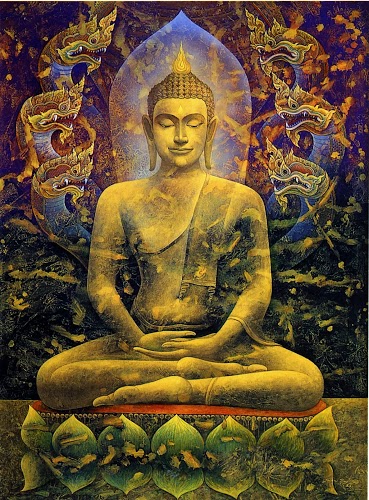
    गौतम बुद्ध: जन्म, कर्म र हाम्रो धर्म

    सिद्धार्थ गौतमको जन्मका सम्बन्धमा
    करिब २६४० वर्ष अघि बैशाख पूर्णिमाको रातमा यस धर्तिमा अवतरण लिएका थिए सिद्धार्थ गौतमले रानी मायादेवीको कोखबाट- लुम्बिनीमा । विभिन्न कालखण्डमा त्यो पवित्र भूमि विभिन्न देशभित्र पर्‍यो । वर्तमानमा त्यो क्षेत्र नेपालको सिमानाभित्र पर्दछ । लुम्बिनी संरक्षणको दायित्व अहिले नेपालीको काधमा छ । तर त्यसको अर्थ बुद्ध ‘नेपाली’ थिए भन्ने होइन । बुद्धलाई कुनै एउटा देशको नागरिक बनाउन इतिहास र नैतिकता दुवैले दिँदैनन्[१] ।

    image

    यो विज्ञान प्रविधिको युग हो । यस युगमा हरेक विषयमा तथ्य केलाइन्छ । बुद्धकालिन कला, संस्कृति, लेखोटका आधारमा लुम्बिनी नै सिद्धर्थ गौतमको जन्मथलो थियो भन्ने प्रमाणित भइसकेको छ । उनको यात्राको बाटो पनि पहिल्याइ सकेका छन् इतिहासकारहरूले । उनको जन्ममितिमा भने एकमत छैन । खोज गर्नै पर्ने विषय जन्ममिति हो, जन्मस्थल होइन ।

    बुद्धको जन्मथलोको विकासको “गुरु योजना” २८ वर्षअघि बनेको रहेछ । आजको मितिसम्म योजनाले पूर्णता पाएको छैन । केही संरचना बनेका छन् तर ती पर्याप्त छैनन् । बौद्धहरूको चार धाममध्ये प्रमुख लुम्बिनीको विकासमा किन ढिलाइ ? २९ वर्षको उमेरमा त सिद्धार्थले राजपाट त्यागि सकेका थिए, सम्यक ज्ञानको खोजी गर्न । हामी बुद्ध भूमिका संरक्षकहरू किन आफ्ना व्यक्तिगत स्वार्थ त्याग्न सक्दैनौँ ? उनले बाटो देखाइ दिएकै थिए त ।

    सिद्धार्थ र बुद्धका कर्मका सम्बन्धमा

    सिद्धार्थको बाल्यकाल सुखसयलमा बितेको थियो । राजा (गणनायक?) सुद्धोधनले वातानुकुलित तीनवटा महल बनाइदिएका थिए भनिन्छ । यद्यपि भौतिक सुखले उनलाई छुन सकेन । मैले सानो छँदा एउटा कथा पढेको थिएँ, जुन यस्तो छ-

    हरेक वर्ष रोपाइँ सुरु गर्नाका खातिर हलो चलाउन किसानका खेतमा जान्थे । उनलेे छ वर्षका सिद्धार्थलाई साथ लगेका थिए । रोपाइँको तामझाम छोडेर सिद्धार्थ चाहिँ एक्लै बसिरहेका थिए । वरपर कुदिरहेका कमिला हेरेर रमाइरहेका बेला एउटा छेपारोले तिनलाई खान थाल्यो । फेरि हेर्दाहेर्दै एउटा सर्पले त्यो छेपारोलाई निल्यो । एकैछिनमा, त्यो सर्प पनि बाजको आहारा बन्यो । प्रकृतिको समिपमा त्यस्तो अनौठो चक्र देखेपछि उनी गम्भीर हुन थाले । प्रकृतिमा यस्तो नियम किन छ भनेर सोच्न थाले । मनमा आउने दार्शनिक सोच हटाउनकै लागि ती तीन महल बनाइएका थिए । तर सिद्धर्थ प्रकृतिमा फर्किन चाहन्थे । २९ वर्षको उमेरमा उनी फेरि प्रकृतिमा फर्किए । उनले रोगी, वृद्ध र मृत देखे [२]। उनलाई त्यही दिन थाहा भयो पहिलो आर्य सत्य- दु:ख छ । त्यो दु:ख निवारण गर्न सकिन्छ कि सकिँदैन भन्ने विषयको ज्ञान प्राप्त गर्नु नै उनको लक्ष्य थियो जसका लागि उनले व्यक्तिगत स्वार्थको त्याग गरे । लक्ष्यमा सफल भएका कारण बुद्धका नामले चिनिए ।

    दु:खका कारण र निवारणको माध्यम पत्ता लागेपछि उनका मनमा विचार आयो- ‘मैले पत्ता लगाएका कुराहरू अरूलाई सुनाऊँ या नसुनाऊँ । कसैले सुन्ला मेरा कुरा ?’ आम मानिसमा हुने प्रश्न उनमा पनि आएका थिए तर उनले कोशिश गरे । बोधगयामा उनलाई तपस्यामा साथ दिएका दुईजना अनि कुशिनगरमा भेटिएका तीनजनालाई उनले आफ्नो खोजका बारेमा बताए । उनको बोली मधुर हुँदो हो, सरल अनि लोकको भाषामा प्रवचन दिँदा हुन् । त्यसैले त उनको दर्शनबाट प्रभावित हुनेको सङ्ख्या बढ्दै गयो । संसारभर छरिएका बौद्धमार्गीहरूका आस्थाका केन्द्र हुन् गौतम बुद्ध ।

    जन्मबाट होइन, कर्मबाट महान् भइन्छ । सिद्धार्थको जन्म राजकुलमा भए पनि संसारले उनलाई ज्ञानको अद्भुत खानीका रूपमा चिन्दछ । जन्मका आधारमा त उनी क्षत्रिय हुनुपर्ने, युद्ध गर्नु पर्ने तर उनले साधक भएर शान्तिको सन्देश दिए[३] । कर्मले महान् भएका बुद्धलाई म मनैदेखि नमस्कार गर्दछु ।

    हाम्रो धर्म
    मेरो विचारमा उचित कर्म नै धर्म हो । सिद्धार्थ गौतमको धर्म थियो चार आर्य सत्यको ज्ञान हासिल गर्नु, बुद्धको धर्म थियो जनजनलाई आफूले पाएको ज्ञान बाँढ्नु । बुद्धले त्यो ज्ञान नबाँढेका भए के हामी उनको चर्चा गर्थ्यौँ होला ? तर हाम्रो धर्म चर्चा गर्नु मात्रै होइन । हाम्रो धर्म त बुद्धका मार्ग र धरोहरको संरक्षण गर्नु हो । बुद्धका संदेशलाई आत्मसात गरेर नै हामीले उनको सम्मान गर्न सक्छौँ ।

    [१. महान व्यक्तिहरू कर्मले चिनिन्छन् । जन्म त सबैले लिएका हुन्छन् तर केही मानिस मात्रै सत्कर्मका कारण प्रख्यात हुन्छन् । यस्ता महान व्यक्तिहरूले सधैँ सम्मान पाउँछन्, उनीहरू जुनसुकै देशमा जन्मेका किन नहुन ।
    केही वर्षयता नेपालमा बुद्धलाई नेपाली बनाउने क्रेज देखिएको छ । बुद्धको नाम र तस्विर राखेर फोटोशप गरिएका नागरिकता पनि देखिए सामाजिक संजालमा । मन चिसो हुन्छ । हामीले बुद्धको संदेश लिएर शान्ति बाँढ्नु पर्ने हो तर बुद्धलाई नै खिचातानीमा पार्छौँ । नेपाल र भारतका लागि राजनीतिक विषय हुन्- बुद्ध र उनको जन्मस्थल । बुद्धका  शान्ति संदेश रुँदै छन् पुस्तकालयका कुनै कुनामा ।
    २. बुद्धचरीत्रमा भवनबाट निस्किएका  सिद्धार्थले तीन दिन तीन मानिसलाई क्रमशः देखे भनिएको छ- वृद्ध, रोगी र शव । कतै सिद्धार्थले एउटै मानिस त देखेका थिएनन् ? पहिलो दिन सायद उनले एउटा बूढो मानिस देखेका थिए । उनले पहिले कहिल्यै वृद्ध नदेखेकाले उनले चासो लिए होला । भोलिपल्ट सायद ज्ञान भयो कि ती वृद्ध रोगी पनि रहेछन् । तेस्रो दिन सायद ती बूढाको मृत्यु भैसकेको थियो । मानिस किन दु:खी छ र मरेर गएपछि अरूलाई पनि दु:खी किन बनाउँछ भन्ने साधारण प्रश्नले सिद्धार्थलाई बुद्ध बन्न प्रेरित गर्‍यो ।
    ३. बुद्धले मानव शान्ति र विश्व शान्तिको सन्देश दिए । उनले चार आर्य सत्य प्रतिपादन गरे: १) दु:ख छ ; २) दु:खका कारण छन् ; ३) दु:ख निवारण संभव छ ; ४) दु:ख निवारणका लागि अष्टाङ्गिक मार्ग छन् : सम्यक दृष्टि, सम्यक सङ्कल्प, सम्यक वचन, सम्यक कर्म, सम्यक आजीविका, सम्यक व्यायाम, सम्यक स्मृति, सम्यक समाधि ।]

    Page 8 of 10

    Powered by WordPress & Theme by Anders Norén